


- Afhalen na 1 uur in een winkel met voorraad
- Gratis thuislevering in België vanaf € 30
- Ruim aanbod met 7 miljoen producten
- Afhalen na 1 uur in een winkel met voorraad
- Gratis thuislevering in België vanaf € 30
- Ruim aanbod met 7 miljoen producten





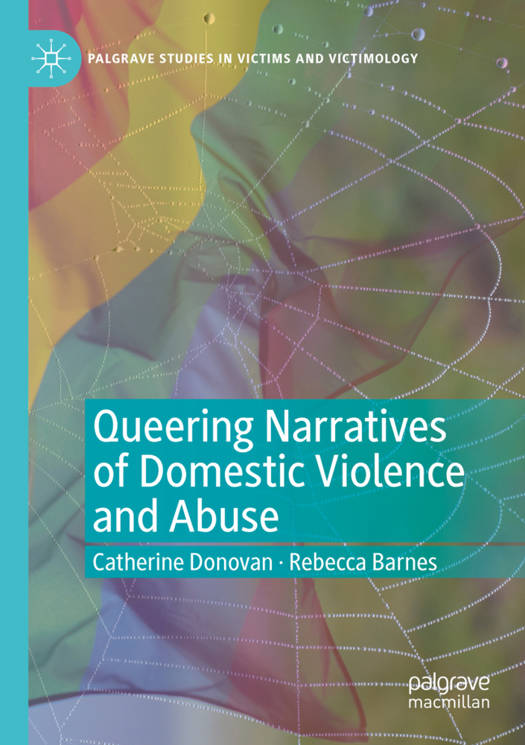
Queering Narratives of Domestic Violence and Abuse
Victims And/Or Perpetrators?
Catherine Donovan, Rebecca Barnes
€ 75,95
+ 151 punten
Uitvoering
Omschrijving
This book is the first to focus on violent and/or 'abusive' behaviours in lesbian, gay, bisexual and/or transgender, non-binary gender or genderqueer people's intimate relationships. It provides fresh empirical data from a comprehensive mixed-methods study and novel theoretical insights to destabilise and queer existing narratives about intimate partner violence and abuse (IPVA). Key to the analysis, the book argues, is the extent to which Michael Johnson's landmark typology of IPVA can be used to make sense of the survey data and accounts of 'abusive' behaviours given by LGB and/or T+ participants. As well as calling for IPVA scholars to challenge heteronormativity and cisnormativity and improve IPVA measurement, this book offers guidance and a new tool to assist practitioners from a variety of relationships services with identifying victims/survivors and perpetrators in LGB and/or T+ people's relationships. It will appeal to academics and practitioners in the field of domestic violence and abuse.
Specificaties
Betrokkenen
- Auteur(s):
- Uitgeverij:
Inhoud
- Aantal bladzijden:
- 191
- Taal:
- Engels
- Reeks:
Eigenschappen
- Productcode (EAN):
- 9783030354053
- Verschijningsdatum:
- 15/02/2021
- Uitvoering:
- Paperback
- Formaat:
- Trade paperback (VS)
- Afmetingen:
- 148 mm x 210 mm
- Gewicht:
- 254 g


Alleen bij Standaard Boekhandel
+ 151 punten op je klantenkaart van Standaard Boekhandel
Cadeau

AANGERADEN


Beoordelingen
We publiceren alleen reviews die voldoen aan de voorwaarden voor reviews. Bekijk onze voorwaarden voor reviews.