


- Afhalen na 1 uur in een winkel met voorraad
- Gratis thuislevering in België vanaf € 30
- Ruim aanbod met 7 miljoen producten
- Afhalen na 1 uur in een winkel met voorraad
- Gratis thuislevering in België vanaf € 30
- Ruim aanbod met 7 miljoen producten





€ 38,45
+ 76 punten
Uitvoering
Omschrijving
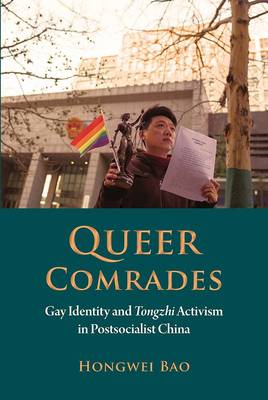
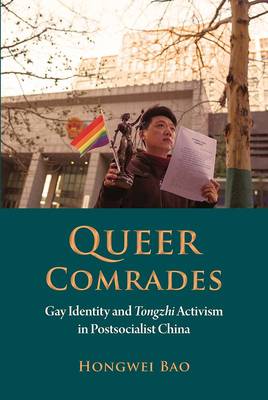
This very timely, well-written and insightful exploration of gay identity & queer activism in the PRC today is more than a study of `queer China' through the lens of male homosexuality; it also examines identity, power and governmentality in contemporary China, as shaped by China's historical conditions and contemporary situations.
Specificaties
Betrokkenen
- Auteur(s):
- Uitgeverij:
Inhoud
- Aantal bladzijden:
- 277
- Reeks:
Eigenschappen
- Productcode (EAN):
- 9788776942366
- Verschijningsdatum:
- 24/04/2018
- Uitvoering:
- Paperback
- Afmetingen:
- 151 mm x 227 mm
- Gewicht:
- 410 g


Alleen bij Standaard Boekhandel
+ 76 punten op je klantenkaart van Standaard Boekhandel
Cadeau

AANGERADEN


Beoordelingen
We publiceren alleen reviews die voldoen aan de voorwaarden voor reviews. Bekijk onze voorwaarden voor reviews.