


- Afhalen na 1 uur in een winkel met voorraad
- Gratis thuislevering in België vanaf € 30
- Ruim aanbod met 7 miljoen producten
- Afhalen na 1 uur in een winkel met voorraad
- Gratis thuislevering in België vanaf € 30
- Ruim aanbod met 7 miljoen producten





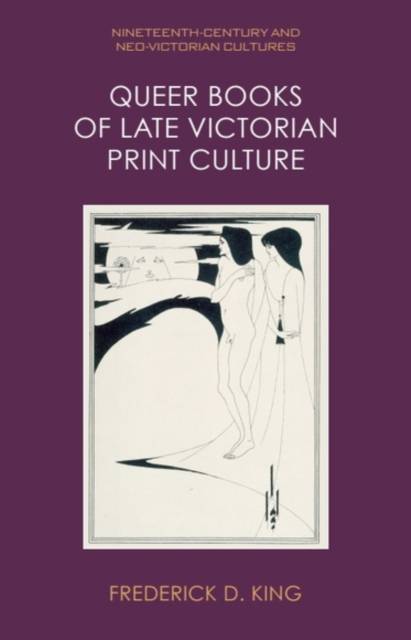
Queer Books of Late Victorian Print Culture
Frederick D King
€ 37,45
+ 74 punten
Omschrijving
Queer books, like LGBTQ+ people, adapt heteronormative structures and institutions to introduce space for discourses of queer desire. Queer Books of Late-Victorian Print Culture explores print culture adaptations of the material book, examining the works of Aubrey Beardsley, Michael Field, John Gray, Charles Ricketts, Charles Shannon and Oscar Wilde. It closely analyses the material book, including the elements of binding, typography, paper, ink and illustration, and brings textual studies and queer theory into conversation with literary experiments in free verse, fairy tales and symbolist drama. King argues that queer authors and artists revised the Revival of Printing's ideals for their own diverse and unique desires, adapting new technological innovations in print culture. Their books created a community of like-minded aesthetes who challenged legal and representational discourses of same-sex desire with one of aesthetic sensuality.
Specificaties
Betrokkenen
- Auteur(s):
- Uitgeverij:
Inhoud
- Aantal bladzijden:
- 272
- Taal:
- Engels
- Reeks:
Eigenschappen
- Productcode (EAN):
- 9781399525954
- Verschijningsdatum:
- 1/01/2026
- Uitvoering:
- Paperback
- Formaat:
- Trade paperback (VS)
- Afmetingen:
- 156 mm x 234 mm
- Gewicht:
- 385 g


Alleen bij Standaard Boekhandel
+ 74 punten op je klantenkaart van Standaard Boekhandel
Cadeau

AANGERADEN


Beoordelingen
We publiceren alleen reviews die voldoen aan de voorwaarden voor reviews. Bekijk onze voorwaarden voor reviews.