



- Afhalen na 1 uur in een winkel met voorraad
- In januari gratis thuislevering in België
- Ruim aanbod met 7 miljoen producten
- Afhalen na 1 uur in een winkel met voorraad
- In januari gratis thuislevering in België
- Ruim aanbod met 7 miljoen producten





€ 21,24
+ 21 punten
Uitvoering
Omschrijving
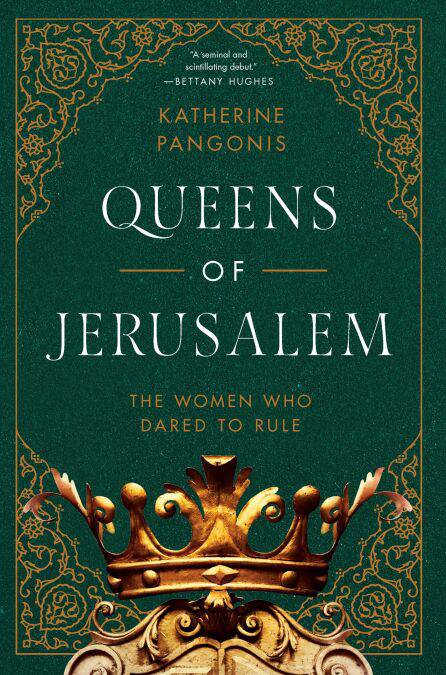
The untold story of a trailblazing dynasty of royal women who ruled the Middle East and how they persevered through instability and seize greater power.
In 1187 Saladin's armies besieged the holy city of Jerusalem. He had previously annihilated Jerusalem's army at the battle of Hattin, and behind the city's high walls a last-ditch defence was being led by an unlikely trio - including Sibylla, Queen of Jerusalem. They could not resist Saladin, but, if they were lucky, they could negotiate terms that would save the lives of the city's inhabitants.
Queen Sibylla was the last of a line of formidable female rulers in the Crusader States of Outremer. Yet for all the many books written about the Crusades, one aspect is conspicuously absent: the stories of women. Queens and princesses tend to be presented as passive transmitters of land and royal blood. In reality, women ruled, conducted diplomatic negotiations, made military decisions, forged alliances, rebelled, and undertook architectural projects. Sibylla's grandmother Queen Melisende was the first queen to seize real political agency in Jerusalem and rule in her own right. She outmanoeuvred both her husband and son to seize real power in her kingdom, and was a force to be reckoned with in the politics of the medieval Middle East. The lives of her Armenian mother, her three sisters, and their daughters and granddaughters were no less intriguing.
Queens of Jerusalem is a stunning debut by a rising historian and a rich revisionist history of Medieval Palestine.
In 1187 Saladin's armies besieged the holy city of Jerusalem. He had previously annihilated Jerusalem's army at the battle of Hattin, and behind the city's high walls a last-ditch defence was being led by an unlikely trio - including Sibylla, Queen of Jerusalem. They could not resist Saladin, but, if they were lucky, they could negotiate terms that would save the lives of the city's inhabitants.
Queen Sibylla was the last of a line of formidable female rulers in the Crusader States of Outremer. Yet for all the many books written about the Crusades, one aspect is conspicuously absent: the stories of women. Queens and princesses tend to be presented as passive transmitters of land and royal blood. In reality, women ruled, conducted diplomatic negotiations, made military decisions, forged alliances, rebelled, and undertook architectural projects. Sibylla's grandmother Queen Melisende was the first queen to seize real political agency in Jerusalem and rule in her own right. She outmanoeuvred both her husband and son to seize real power in her kingdom, and was a force to be reckoned with in the politics of the medieval Middle East. The lives of her Armenian mother, her three sisters, and their daughters and granddaughters were no less intriguing.
Queens of Jerusalem is a stunning debut by a rising historian and a rich revisionist history of Medieval Palestine.
Specificaties
Betrokkenen
- Auteur(s):
- Uitgeverij:
Inhoud
- Aantal bladzijden:
- 272
- Taal:
- Engels
Eigenschappen
- Productcode (EAN):
- 9781643139258
- Verschijningsdatum:
- 31/01/2022
- Uitvoering:
- E-book
- Beveiligd met:
- Adobe DRM
- Formaat:
- ePub


Alleen bij Standaard Boekhandel
+ 21 punten op je klantenkaart van Standaard Boekhandel
Cadeau

AANGERADEN


Beoordelingen
We publiceren alleen reviews die voldoen aan de voorwaarden voor reviews. Bekijk onze voorwaarden voor reviews.