


- Afhalen na 1 uur in een winkel met voorraad
- Gratis thuislevering in België vanaf € 30
- Ruim aanbod met 7 miljoen producten
- Afhalen na 1 uur in een winkel met voorraad
- Gratis thuislevering in België vanaf € 30
- Ruim aanbod met 7 miljoen producten





€ 40,45
+ 80 punten
Omschrijving
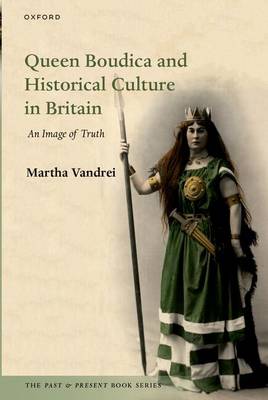
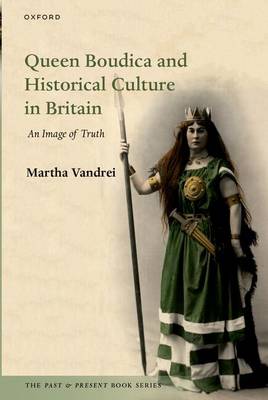
This book takes an innovative approach to the study of the past in the past. It seeks to understand history, not as a discipline or profession, but as a cultural phenomenon. Spanning the early-modern and modern pasts, this book focuses on the posthumous reputation of the ancient warrior queen Boudica, using the example of this ever-popular figure to explore the varied field of historical culture in Britain, from seventeenth-century antiquarianism to early twentieth-century film. While providing contemporary contextual readings of Boudica's representations, the book's primary purpose is to explore the unique nature of historical ideas as durable cultural phenomena. It argues that long before professional historians sought to regularize historical practice, audiences encountered visions of past ages created by antiquaries, playwrights, poets, novelists, and artists, all of which engaged with, articulated, and even defined 'historical truth'. These individual depictions, variable audience reactions, and the abiding notion of history as truth constitute the substance of historical culture.
Specificaties
Betrokkenen
- Auteur(s):
- Uitgeverij:
Inhoud
- Aantal bladzijden:
- 250
- Taal:
- Engels
- Reeks:
Eigenschappen
- Productcode (EAN):
- 9780197904404
- Verschijningsdatum:
- 20/04/2026
- Uitvoering:
- Paperback
- Formaat:
- Trade paperback (VS)
- Afmetingen:
- 156 mm x 234 mm
- Gewicht:
- 353 g


Alleen bij Standaard Boekhandel
+ 80 punten op je klantenkaart van Standaard Boekhandel
Cadeau

AANGERADEN


Beoordelingen
We publiceren alleen reviews die voldoen aan de voorwaarden voor reviews. Bekijk onze voorwaarden voor reviews.