



Bedankt voor het vertrouwen het afgelopen jaar! Om jou te bedanken bieden we GRATIS verzending (in België) aan op alles gedurende de hele maand januari.
- Afhalen na 1 uur in een winkel met voorraad
- In januari gratis thuislevering in België
- Ruim aanbod met 7 miljoen producten
Bedankt voor het vertrouwen het afgelopen jaar! Om jou te bedanken bieden we GRATIS verzending (in België) aan op alles gedurende de hele maand januari.
- Afhalen na 1 uur in een winkel met voorraad
- In januari gratis thuislevering in België
- Ruim aanbod met 7 miljoen producten





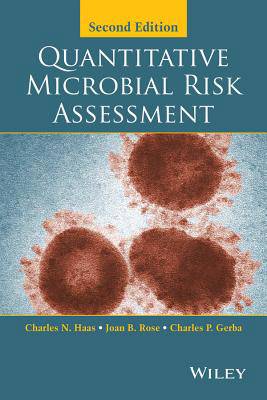
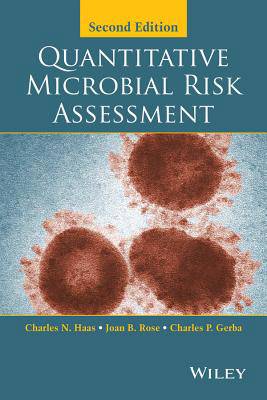
Quantitative Microbial Risk Assessment
Charles N Haas, Joan B Rose, Charles P Gerba
Hardcover | Engels
€ 207,45
+ 414 punten
Omschrijving
Provides the latest QMRA methodologies to determine infection risk cause by either accidental microbial infections or deliberate infections caused by terrorism
- Reviews the latest methodologies to quantify at every step of the microbial exposure pathways, from the first release of a pathogen to the actual human infection
- Provides techniques on how to gather information, on how each microorganism moves through the environment, how to determine their survival rates on various media, and how people are exposed to the microorganism
- Explains how QMRA can be used as a tool to measure the impact of interventions and identify the best policies and practices to protect public health and safety
- Includes new information on genetic methods
- Techniques use to develop risk models for drinking water, groundwater, recreational water, food and pathogens in the indoor environment
- Reviews the latest methodologies to quantify at every step of the microbial exposure pathways, from the first release of a pathogen to the actual human infection
- Provides techniques on how to gather information, on how each microorganism moves through the environment, how to determine their survival rates on various media, and how people are exposed to the microorganism
- Explains how QMRA can be used as a tool to measure the impact of interventions and identify the best policies and practices to protect public health and safety
- Includes new information on genetic methods
- Techniques use to develop risk models for drinking water, groundwater, recreational water, food and pathogens in the indoor environment
Specificaties
Betrokkenen
- Auteur(s):
- Uitgeverij:
Inhoud
- Aantal bladzijden:
- 440
- Taal:
- Engels
Eigenschappen
- Productcode (EAN):
- 9781118145296
- Verschijningsdatum:
- 8/07/2014
- Uitvoering:
- Hardcover
- Formaat:
- Genaaid
- Afmetingen:
- 157 mm x 236 mm
- Gewicht:
- 725 g


Alleen bij Standaard Boekhandel
+ 414 punten op je klantenkaart van Standaard Boekhandel
SOLDEN


Beoordelingen
We publiceren alleen reviews die voldoen aan de voorwaarden voor reviews. Bekijk onze voorwaarden voor reviews.