


- Afhalen na 1 uur in een winkel met voorraad
- Gratis thuislevering in België vanaf € 30
- Ruim aanbod met 7 miljoen producten
- Afhalen na 1 uur in een winkel met voorraad
- Gratis thuislevering in België vanaf € 30
- Ruim aanbod met 7 miljoen producten





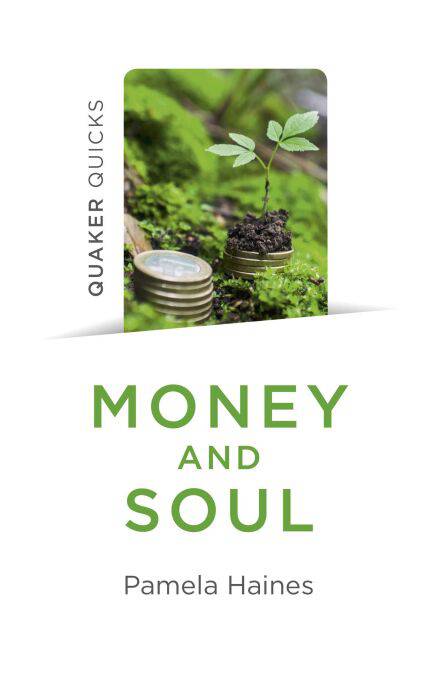
Quaker Quicks - Money and Soul E-BOOK
Quaker Faith And Practice And The Economy
Pamela Haines
E-book | Engels
€ 6,70
+ 6 punten
Omschrijving
If money troubles your soul, try this down-to-earth Quaker perspective on economies large and small. The economy, as we usually encounter it, has nothing to do with values or faith. After all, the “invisible hand” caters to no religious belief. It is all a matter of science, we are assured: economists have mastered the mathematical formulas for growth and prosperity. Our role as individuals is simply to work, consume and save, each adding our bit to the sum totals of economic activity that will keep the system humming along; the experts will take care of everything else. This breezy values-free story, however, is unlikely to be a comfortable fit for anyone who takes seriously the challenge of bringing our faith into the world. Knotty issues around economics crop up at every turn, especially if we are willing to ask the big questions: What is the economy for? How much is enough? What needs to be equal? How is well-being best measured? Who should decide? In Money and Soul this search for answers, through a Quaker lens, gives a taste of the power of applying faith values to our economic story.
Specificaties
Betrokkenen
- Auteur(s):
- Uitgeverij:
Inhoud
- Aantal bladzijden:
- 80
- Taal:
- Engels
Eigenschappen
- Productcode (EAN):
- 9781789040906
- Verschijningsdatum:
- 25/07/2019
- Uitvoering:
- E-book
- Beveiligd met:
- Adobe DRM
- Formaat:
- ePub


Alleen bij Standaard Boekhandel
+ 6 punten op je klantenkaart van Standaard Boekhandel
Cadeau

AANGERADEN


Beoordelingen
We publiceren alleen reviews die voldoen aan de voorwaarden voor reviews. Bekijk onze voorwaarden voor reviews.