


- Afhalen na 1 uur in een winkel met voorraad
- Gratis thuislevering in België vanaf € 30
- Ruim aanbod met 7 miljoen producten
- Afhalen na 1 uur in een winkel met voorraad
- Gratis thuislevering in België vanaf € 30
- Ruim aanbod met 7 miljoen producten





€ 48,45
+ 96 punten
Omschrijving
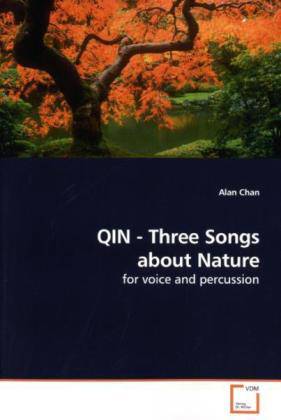
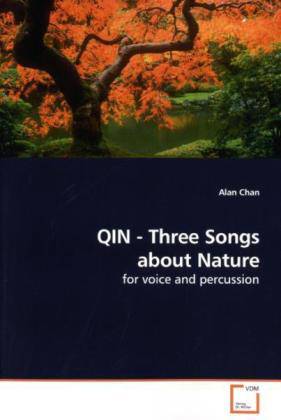
Qin is a seven-string zither of Chinese origin with a history of more than five thousand years. QIN Three Songs About Nature is a cycle of settings of three poems by Bai Juyi (C.E. 772-846) and Li Bai (C.E. 701-762) in the original Chinese language. The choice of this selection came from Chinese Literature scholar Jeannette L. Faurot s article Music and Nature in Ancient Chinese Thoughts (1998). She points out that music is a medium for people to communicate their emotions with each other and with nature based on the notion of resonance and sympathetic vibration. (p.6) This piece calls for two musicians a female vocalist and a percussion player providing an intimate set-up similar to qin music. The musical materials are freely associated, incorporating styles from contemporary classical to music from Brazil and jazz. This creative process, incorporating free association and meditation, is similar to the process found in Chinese literature mentioned by literature theorists Lu Ji and Liu Xie (Fourth and Fifth Century C.E. respectively). This centuries-old practice is incorporated with musical elements of the present day.
Specificaties
Betrokkenen
- Auteur(s):
- Uitgeverij:
Inhoud
- Aantal bladzijden:
- 68
- Taal:
- Engels
Eigenschappen
- Productcode (EAN):
- 9783639200089
- Uitvoering:
- Paperback


Alleen bij Standaard Boekhandel
+ 96 punten op je klantenkaart van Standaard Boekhandel
Cadeau

AANGERADEN


Beoordelingen
We publiceren alleen reviews die voldoen aan de voorwaarden voor reviews. Bekijk onze voorwaarden voor reviews.