


- Afhalen na 1 uur in een winkel met voorraad
- Gratis thuislevering in België vanaf € 30
- Ruim aanbod met 7 miljoen producten
- Afhalen na 1 uur in een winkel met voorraad
- Gratis thuislevering in België vanaf € 30
- Ruim aanbod met 7 miljoen producten





€ 112,95
+ 225 punten
Uitvoering
Omschrijving
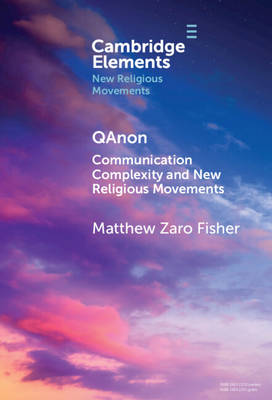
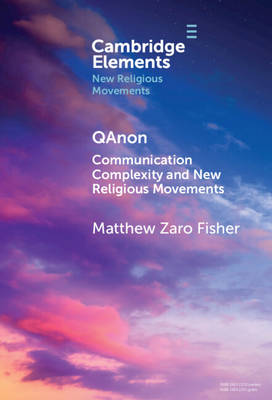
This Element examines the history, beliefs, and practices of the QAnon movement, described by supporters as a military intelligence operation meant to restore 'American greatness, ' and by opponents as a threat to American democracy. Although it began as a fringe conspiracy theory when it emerged on anonymous internet image boards in the fall of 2017, the lockdown measures of the COVID-19 pandemic sent most people online for social participation, facilitating greater awareness of the movement amidst an environment of rising social tension and personal anxiety. QAnon's emergence online offers an observable and real-time record of the way communities of meaning-making and identity develop through the consumption, construction, and circulation of ideas in a digital communication medium. By studying QAnon, this Element provides a better understanding of the relationship between conspiracy theory and religion and demonstrates how new religious movements emerge and evolve today in relation to consumerism and communication complexity.
Specificaties
Betrokkenen
- Auteur(s):
- Uitgeverij:
Inhoud
- Aantal bladzijden:
- 92
- Taal:
- Engels
- Reeks:
Eigenschappen
- Productcode (EAN):
- 9781009705127
- Verschijningsdatum:
- 2/04/2026
- Uitvoering:
- Hardcover
- Formaat:
- Genaaid
- Afmetingen:
- 152 mm x 229 mm
- Gewicht:
- 294 g


Alleen bij Standaard Boekhandel
+ 225 punten op je klantenkaart van Standaard Boekhandel
Cadeau

AANGERADEN


Beoordelingen
We publiceren alleen reviews die voldoen aan de voorwaarden voor reviews. Bekijk onze voorwaarden voor reviews.