


- Afhalen na 1 uur in een winkel met voorraad
- Gratis thuislevering in België vanaf € 30
- Ruim aanbod met 7 miljoen producten
- Afhalen na 1 uur in een winkel met voorraad
- Gratis thuislevering in België vanaf € 30
- Ruim aanbod met 7 miljoen producten





Omschrijving
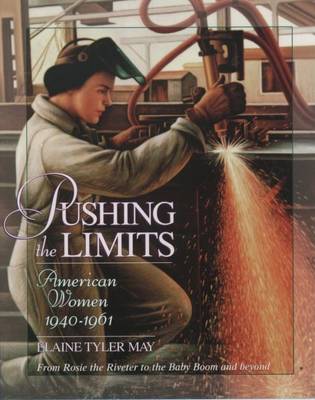
Americans living in the mid 20th century saw momentous change. A decade of severe economic depression in the 1930s was followed by the largest scale war the world had ever seen. In Pushing the Limits, Elaine Tyler May shows how women's lives in the United States reflected and helped to shape these world changes. During the war, women joined the military effort through the WACS (Women's Army Corps) and the WAVES (Women Accepted for Voluntary Emergency Services). Production demands drew women into manufacturing jobs and broadcast the famous image of Rosie the Riveter. After the war, women were encouraged to give up their jobs to the returning veterans and resume their tasks as wives and mothers.
We discover that women of all backgrounds pushed the limits of their circumstances, whether they were college educated homemakers working to elevate the job of housewife to a respected career, working class women struggling to preserve the gains of wartime, or African American women leading the struggle for civil rights. Popular culture of the 1950s--TV shows such as "Ozzie and Harriet," "Leave It To Beaver," and "Father Knows Best"--promoted the subservient wife in a traditional nuclear family and kept women as homemakers. At the same time, however, women such as Rosa Parks became household names as they challenged racial and gender discrimination. These women, May reveals, paved the way for the political, sexual, and social movements of the 1960s and the feminist gains that would follow.
We discover that women of all backgrounds pushed the limits of their circumstances, whether they were college educated homemakers working to elevate the job of housewife to a respected career, working class women struggling to preserve the gains of wartime, or African American women leading the struggle for civil rights. Popular culture of the 1950s--TV shows such as "Ozzie and Harriet," "Leave It To Beaver," and "Father Knows Best"--promoted the subservient wife in a traditional nuclear family and kept women as homemakers. At the same time, however, women such as Rosa Parks became household names as they challenged racial and gender discrimination. These women, May reveals, paved the way for the political, sexual, and social movements of the 1960s and the feminist gains that would follow.
Specificaties
Betrokkenen
- Auteur(s):
- Uitgeverij:
Inhoud
- Aantal bladzijden:
- 144
- Taal:
- Engels
- Reeks:
- Reeksnummer:
- nr. 9
Eigenschappen
- Productcode (EAN):
- 9780195124071
- Verschijningsdatum:
- 26/03/1998
- Uitvoering:
- Paperback
- Formaat:
- Trade paperback (VS)
- Afmetingen:
- 189 mm x 235 mm
- Gewicht:
- 308 g


Alleen bij Standaard Boekhandel
+ 44 punten op je klantenkaart van Standaard Boekhandel
Cadeau

AANGERADEN


Beoordelingen
We publiceren alleen reviews die voldoen aan de voorwaarden voor reviews. Bekijk onze voorwaarden voor reviews.