



Bedankt voor het vertrouwen het afgelopen jaar! Om jou te bedanken bieden we GRATIS verzending (in België) aan op alles gedurende de hele maand januari.
- Afhalen na 1 uur in een winkel met voorraad
- In januari gratis thuislevering in België
- Ruim aanbod met 7 miljoen producten
Bedankt voor het vertrouwen het afgelopen jaar! Om jou te bedanken bieden we GRATIS verzending (in België) aan op alles gedurende de hele maand januari.
- Afhalen na 1 uur in een winkel met voorraad
- In januari gratis thuislevering in België
- Ruim aanbod met 7 miljoen producten





€ 17,34
+ 17 punten
Uitvoering
Omschrijving
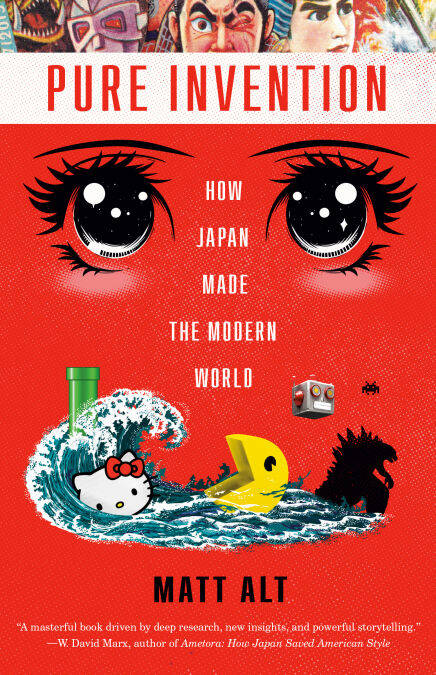
The untold story of how Japan became a cultural superpower through the fantastic inventions that captured—and transformed—the world’s imagination.
“A masterful book driven by deep research, new insights, and powerful storytelling.”—W. David Marx, author of Ametora: How Japan Saved American Style
Japan is the forge of the world’s fantasies: karaoke and the Walkman, manga and anime, Pac-Man and Pokémon, online imageboards and emojis. But as Japan media veteran Matt Alt proves in this brilliant investigation, these novelties did more than entertain. They paved the way for our perplexing modern lives.
In the 1970s and ’80s, Japan seemed to exist in some near future, gliding on the superior technology of Sony and Toyota. Then a catastrophic 1990 stock-market crash ushered in the “lost decades” of deep recession and social dysfunction. The end of the boom should have plunged Japan into irrelevance, but that’s precisely when its cultural clout soared—when, once again, Japan got to the future a little ahead of the rest of us.
Hello Kitty, the Nintendo Entertainment System, and multimedia empires like Dragon Ball Z were more than marketing hits. Artfully packaged, dangerously cute, and dizzyingly fun, these products gave us new tools for coping with trying times. They also transformed us as we consumed them—connecting as well as isolating us in new ways, opening vistas of imagination and pathways to revolution. Through the stories of an indelible group of artists, geniuses, and oddballs, Pure Invention reveals how Japan’s pop-media complex remade global culture.
“A masterful book driven by deep research, new insights, and powerful storytelling.”—W. David Marx, author of Ametora: How Japan Saved American Style
Japan is the forge of the world’s fantasies: karaoke and the Walkman, manga and anime, Pac-Man and Pokémon, online imageboards and emojis. But as Japan media veteran Matt Alt proves in this brilliant investigation, these novelties did more than entertain. They paved the way for our perplexing modern lives.
In the 1970s and ’80s, Japan seemed to exist in some near future, gliding on the superior technology of Sony and Toyota. Then a catastrophic 1990 stock-market crash ushered in the “lost decades” of deep recession and social dysfunction. The end of the boom should have plunged Japan into irrelevance, but that’s precisely when its cultural clout soared—when, once again, Japan got to the future a little ahead of the rest of us.
Hello Kitty, the Nintendo Entertainment System, and multimedia empires like Dragon Ball Z were more than marketing hits. Artfully packaged, dangerously cute, and dizzyingly fun, these products gave us new tools for coping with trying times. They also transformed us as we consumed them—connecting as well as isolating us in new ways, opening vistas of imagination and pathways to revolution. Through the stories of an indelible group of artists, geniuses, and oddballs, Pure Invention reveals how Japan’s pop-media complex remade global culture.


Alleen bij Standaard Boekhandel
+ 17 punten op je klantenkaart van Standaard Boekhandel
SOLDEN


Beoordelingen
We publiceren alleen reviews die voldoen aan de voorwaarden voor reviews. Bekijk onze voorwaarden voor reviews.