


- Afhalen na 1 uur in een winkel met voorraad
- Gratis thuislevering in België vanaf € 30
- Ruim aanbod met 7 miljoen producten
- Afhalen na 1 uur in een winkel met voorraad
- Gratis thuislevering in België vanaf € 30
- Ruim aanbod met 7 miljoen producten





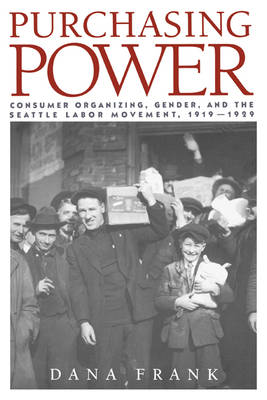
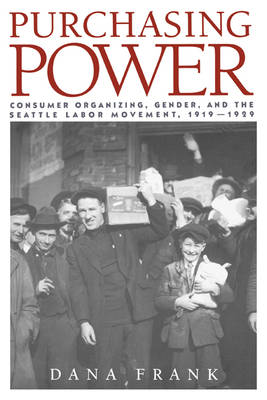
Purchasing Power
Consumer Organizing, Gender, and the Seattle Labor Movement, 1919-1929
Dana Frank
Paperback | Engels
€ 63,45
+ 126 punten
Uitvoering
Omschrijving
This book analyzes consumer organizing tactics and the decline of the Seattle labor movement in the 1920s, as a case study of the U.S. labor movement in the 1920s. The book examines the transformation of the movement after the famous Seattle General Strike of 1919 by showing that workers organized not only at the point of production, but through politicized consumption as well, employing boycotts, cooperatives, labor-owned businesses, and union label promotion. It pays special attention to the gender dynamics of labor's consumer campaigns, as trade union men sought to persuade their wives to "shop union," and to the racial dynamics of campaigns organized by white workers against Seattle's Japanese-American businesses.
Specificaties
Betrokkenen
- Auteur(s):
- Uitgeverij:
Inhoud
- Aantal bladzijden:
- 376
- Taal:
- Engels
Eigenschappen
- Productcode (EAN):
- 9780521467148
- Verschijningsdatum:
- 28/01/1994
- Uitvoering:
- Paperback
- Formaat:
- Trade paperback (VS)
- Afmetingen:
- 153 mm x 223 mm
- Gewicht:
- 498 g


Alleen bij Standaard Boekhandel
+ 126 punten op je klantenkaart van Standaard Boekhandel
Cadeau

AANGERADEN


Beoordelingen
We publiceren alleen reviews die voldoen aan de voorwaarden voor reviews. Bekijk onze voorwaarden voor reviews.