


- Afhalen na 1 uur in een winkel met voorraad
- Gratis thuislevering in België vanaf € 30
- Ruim aanbod met 7 miljoen producten
- Afhalen na 1 uur in een winkel met voorraad
- Gratis thuislevering in België vanaf € 30
- Ruim aanbod met 7 miljoen producten





€ 25,45
+ 50 punten
Uitvoering
Omschrijving
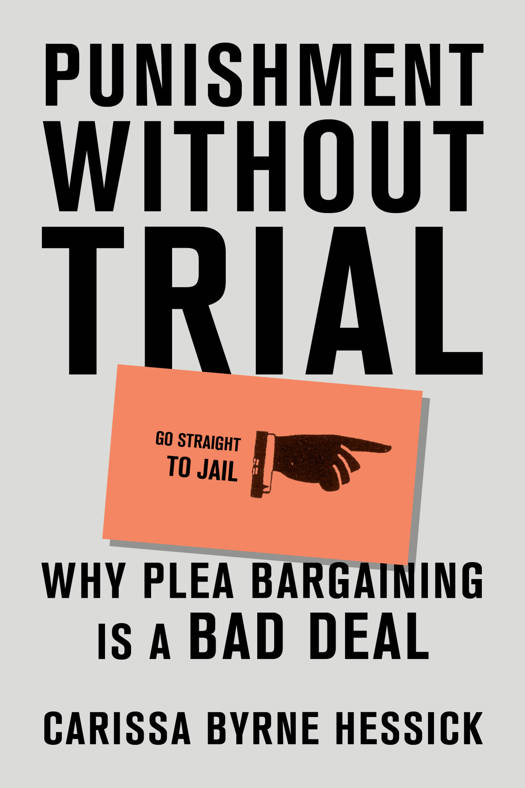
When Americans think of the criminal justice system, the image that pops into their minds is a trial. They envision a standard courtroom scene with a defendant, attorneys, a judge, and most importantly, a jury. It's a fair assumption. The right to a trial by jury is enshrined in both the Constitution (Article III, Section 2) and the Bill of Rights (the Sixth Amendment). It's supposed to be an inalienable right that undergirds our entire justice system. But in Punishment Without Trial: Why Plea Bargaining is a Bad Deal, University of North Carolina law professor Carissa Byrne Hessick illustrates that the popular conception of a jury trial couldn't be further from reality. That bedrock constitutional right has all but disappeared thanks to the inexorable march of plea bargaining, which began to take hold during Prohibition and has skyrocketed since 1971, when it was affirmed as constitutional by the Supreme Court. In 2018, more than 97 percent of defendants pleaded guilty. The consequences are dire. Nearly every aspect of our criminal justice system is designed to encourage defendants-whether they're innocent or guilty-to take a plea deal. Punishment Without Trial showcases how plea bargaining has undermined justice at every turn and across socioeconomic and racial divides. It forces the hand of lawyers, judges, and defendants, turning our legal system into a ruthlessly efficient mass incarceration machine that is clogging our jails and punishing its citizens because it's the path of least resistance.
Specificaties
Betrokkenen
- Auteur(s):
- Uitgeverij:
Inhoud
- Aantal bladzijden:
- 288
- Taal:
- Engels
Eigenschappen
- Productcode (EAN):
- 9781419750298
- Verschijningsdatum:
- 28/10/2021
- Uitvoering:
- Hardcover
- Afmetingen:
- 152 mm x 229 mm
- Gewicht:
- 522 g



Alleen bij Standaard Boekhandel
+ 50 punten op je klantenkaart van Standaard Boekhandel
Cadeau

AANGERADEN


Beoordelingen
We publiceren alleen reviews die voldoen aan de voorwaarden voor reviews. Bekijk onze voorwaarden voor reviews.