


- Afhalen na 1 uur in een winkel met voorraad
- Gratis thuislevering in België vanaf € 30
- Ruim aanbod met 7 miljoen producten
- Afhalen na 1 uur in een winkel met voorraad
- Gratis thuislevering in België vanaf € 30
- Ruim aanbod met 7 miljoen producten





€ 16,95
+ 33 punten
Omschrijving
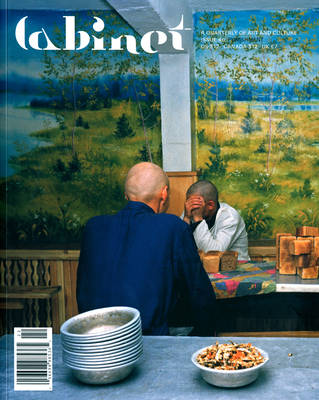
From the rule of "an eye for an eye" in the Code of Hammurabi and the Old Testament to the rise of the reforming "penitentiary" in the nineteenth century, from Kant's notion of the right of retaliation to historical-philosophical explorations by Michel Foucault and John Rawls, the question of punishment has long been central to religious, political and philosophical discourse. Cabinet issue 46, with a special section on Punishment, features Gregory Whitehead on the legacy of Philip Zimbardo's controversial "prison experiments" at Stanford University; Justin E.H. Smith on punishment and sacrifice; Johan Lindqvist on music and torture; and a multi-generational conversation about corporal punishment in the home. Elsewhere in the issue: an interview with Robert N. Proctor on how diamonds were made into the most precious of gems; George Prochnik on the history of tattoos; and Marius Kwint on the Cornell Brain Club.

Alleen bij Standaard Boekhandel
+ 33 punten op je klantenkaart van Standaard Boekhandel
Cadeau

AANGERADEN


Beoordelingen
We publiceren alleen reviews die voldoen aan de voorwaarden voor reviews. Bekijk onze voorwaarden voor reviews.