


- Afhalen na 1 uur in een winkel met voorraad
- Gratis thuislevering in België vanaf € 30
- Ruim aanbod met 7 miljoen producten
- Afhalen na 1 uur in een winkel met voorraad
- Gratis thuislevering in België vanaf € 30
- Ruim aanbod met 7 miljoen producten





€ 135,95
+ 271 punten
Omschrijving
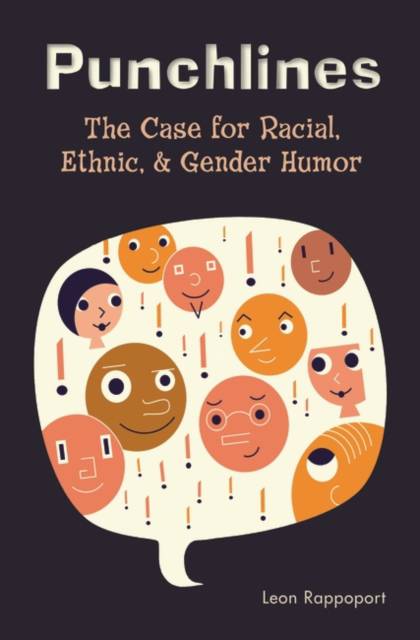
The concept of ethnic, racial, and gender humor is as sensitive a subject today as it has ever been; yet at no time in the past have we had such a quantity of this humor circulating throughout society. We can see the power of such content manifested continually in our culture's films and stand-up comedy routines, as well as on popular TV sitcoms, where Jewish, black, Asian, Hispanic, and gay characters and topics have seemingly become essential to comic scenarios. Though such humor is often cruel, it can be a source of pride and play among minorities, women, and gays. Leon Rappoport's incisive account takes an in-depth look at ethnic, racial and gender humor. Despite the polarization that is often apparent in the debates such humor evokes, the most important melting pot in this country may be the one that we enter when we share a laugh at ourselves.
Specificaties
Betrokkenen
- Auteur(s):
- Uitgeverij:
Inhoud
- Aantal bladzijden:
- 200
- Taal:
- Engels
Eigenschappen
- Productcode (EAN):
- 9780275987640
- Verschijningsdatum:
- 30/10/2005
- Uitvoering:
- Hardcover
- Formaat:
- Genaaid
- Afmetingen:
- 242 mm x 164 mm
- Gewicht:
- 444 g



Alleen bij Standaard Boekhandel
+ 271 punten op je klantenkaart van Standaard Boekhandel

Beoordelingen
We publiceren alleen reviews die voldoen aan de voorwaarden voor reviews. Bekijk onze voorwaarden voor reviews.