


- Afhalen na 1 uur in een winkel met voorraad
- Gratis thuislevering in België vanaf € 30
- Ruim aanbod met 7 miljoen producten
- Afhalen na 1 uur in een winkel met voorraad
- Gratis thuislevering in België vanaf € 30
- Ruim aanbod met 7 miljoen producten





€ 33,95
+ 67 punten
Omschrijving
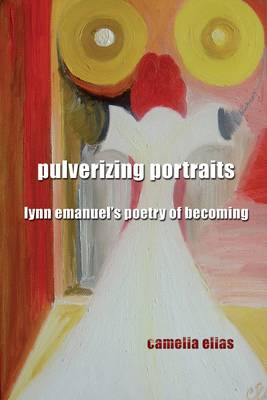
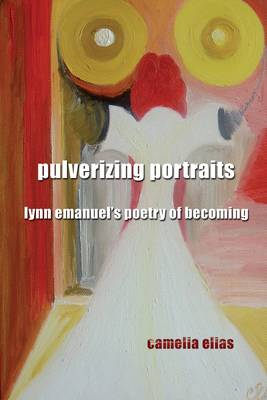
Pulverizing Portraits provides the first book-length study of contemporary American poet Lynn Emanuel. Emanuel's poetry is significant because it situates itself in relation to current debates about the state of poetry, creative writing in the academia, and the importance of drawing on interdisciplinary approaches to poetry via visual aesthe-tics, poststructuralist literary and theoretical perspectives, and philosophy. Camelia Elias takes a look at what characterizes contemporary American prose poetry, namely an intensified awareness of being close to something. Poets such as Lynn Emanuel have been increasingly concerned with poetry as a tool for cultural criticism which constantly redefines our poetic discourse. Elias traces the power of Emanuel's writing and looks at her subtleties in combining intrinsic and formal constraints in poetry with extrinsic and socio-historical methodologies. Elias's analyses of Emanuel's poetic genius culminate in a plethora of references which bring together painters, philosophers, poets, critics, and actors. Thus, the poet's father, the painter Akiba Emanuel, meets Giorgio Agamben, Charles Simic, Gertrude Stein, and Sharon Stone. They all contribute to voicing the world's "interminable speeches."
Specificaties
Betrokkenen
- Auteur(s):
- Uitgeverij:
Inhoud
- Aantal bladzijden:
- 192
- Taal:
- Engels
Eigenschappen
- Productcode (EAN):
- 9788799245680
- Verschijningsdatum:
- 1/01/2010
- Uitvoering:
- Paperback
- Formaat:
- Trade paperback (VS)
- Afmetingen:
- 152 mm x 229 mm
- Gewicht:
- 290 g


Alleen bij Standaard Boekhandel
+ 67 punten op je klantenkaart van Standaard Boekhandel
Cadeau

AANGERADEN


Beoordelingen
We publiceren alleen reviews die voldoen aan de voorwaarden voor reviews. Bekijk onze voorwaarden voor reviews.