


- Afhalen na 1 uur in een winkel met voorraad
- Gratis thuislevering in België vanaf € 30
- Ruim aanbod met 7 miljoen producten
- Afhalen na 1 uur in een winkel met voorraad
- Gratis thuislevering in België vanaf € 30
- Ruim aanbod met 7 miljoen producten





€ 34,95
+ 69 punten
Omschrijving
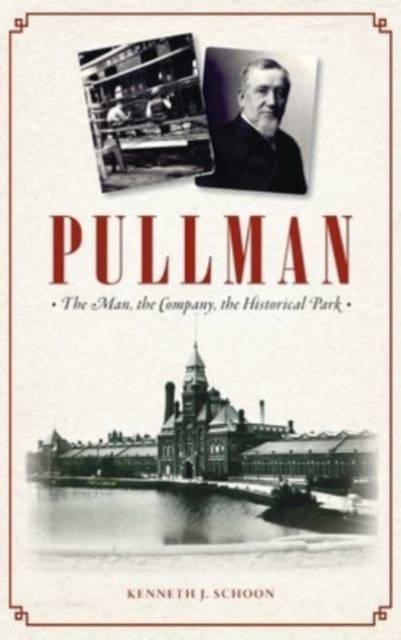
George Pullman's legacy lies in the town that bears his name. As one of the first thoroughly planned model industrial communities, it was designed to give the comforts of a permanent home to the employees who built America's most elegant form of overnight railroad travel. But the town was more than just a residential wing of sleeper car manufacturing; its 1894 railroad strike led to the national Labor Day holiday. In the early twentieth century, the Pullman Company became the country's largest employer of African Americans, who then formed the nation's first successful Black labor union. Author Kenneth Schoon revisits Pullman's monumental history and the lessons it continues to provide.
Specificaties
Betrokkenen
- Auteur(s):
- Uitgeverij:
Inhoud
- Aantal bladzijden:
- 194
- Taal:
- Engels
- Reeks:
Eigenschappen
- Productcode (EAN):
- 9781540249173
- Verschijningsdatum:
- 16/08/2021
- Uitvoering:
- Hardcover
- Formaat:
- Genaaid
- Afmetingen:
- 152 mm x 229 mm
- Gewicht:
- 430 g


Alleen bij Standaard Boekhandel
+ 69 punten op je klantenkaart van Standaard Boekhandel

Beoordelingen
We publiceren alleen reviews die voldoen aan de voorwaarden voor reviews. Bekijk onze voorwaarden voor reviews.