


- Afhalen na 1 uur in een winkel met voorraad
- Gratis thuislevering in België vanaf € 30
- Ruim aanbod met 7 miljoen producten
- Afhalen na 1 uur in een winkel met voorraad
- Gratis thuislevering in België vanaf € 30
- Ruim aanbod met 7 miljoen producten




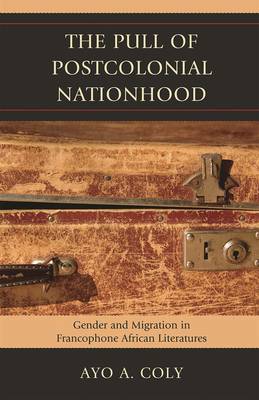
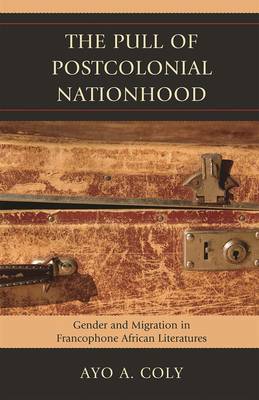
Pull of Postcolonial Nationhood
Gender and Migration in Francophone African Literatures
Ayo A Coly
Hardcover | Engels
€ 220,45
+ 440 punten
Omschrijving
While the male-dominated Francophone African migrant literary tradition includes women writers, there is no study that attends to this subgroup of writers. The Pull of Postcolonial Nationhood: Gender and Migration in Francophone African Literatures pioneers the study of these writers as a category through an examination of three major women who exemplify the Francophone African female migrant literary tradition: Ken Bugul, Calixthe Beyala, and Fatou Diome. By studying these women together, Ayo A. Coly innovatively introduces gender into prevailing theories of Francophone African migrant literatures. These theories, in line with the current surge of postnationalism in cultural criticism, claim that questions of home and nationhood are obsolete for the present generation of Francophone African migrant writers, but this book shows that the opposite is true in the texts of these writers. Coly is thus able to demonstrate how claims of postnationalism are often skewed by gender-blind understandings of nationalism, namely a failure to consider that women have traditionally been the sites for discourses and practices of nationalism. Amid the negative currency of home and nation in contemporary cultural criticism, including postcolonial criticism, this book contends that home remains a politically, ideologically, and emotionally loaded matter for postcolonial subjects.
Specificaties
Betrokkenen
- Auteur(s):
- Uitgeverij:
Inhoud
- Aantal bladzijden:
- 176
- Taal:
- Engels
Eigenschappen
- Productcode (EAN):
- 9780739145111
- Verschijningsdatum:
- 23/06/2010
- Uitvoering:
- Hardcover
- Formaat:
- Ongenaaid / garenloos gebonden
- Afmetingen:
- 155 mm x 231 mm
- Gewicht:
- 408 g


Alleen bij Standaard Boekhandel
+ 440 punten op je klantenkaart van Standaard Boekhandel
Cadeau

AANGERADEN


Beoordelingen
We publiceren alleen reviews die voldoen aan de voorwaarden voor reviews. Bekijk onze voorwaarden voor reviews.