


- Afhalen na 1 uur in een winkel met voorraad
- Gratis thuislevering in België vanaf € 30
- Ruim aanbod met 7 miljoen producten
- Afhalen na 1 uur in een winkel met voorraad
- Gratis thuislevering in België vanaf € 30
- Ruim aanbod met 7 miljoen producten





€ 115,95
+ 231 punten
Omschrijving
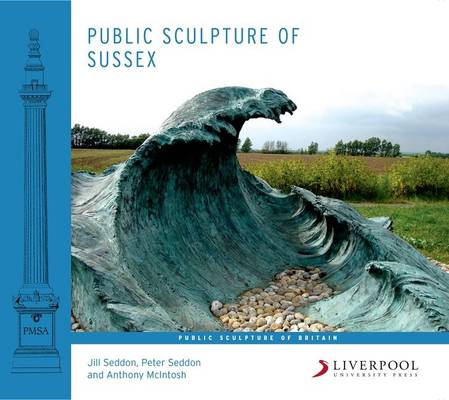
This is the seventeenth volume in the series the Public Sculpture of Britain, part of the PMSA National Recording Project, which will eventually cover the whole of the country. The introduction considers the ways in which the rural and urban landscapes of Sussex, from market town, rural village and country estate, to city, major seaside resort and new town development, are reflected in the county's public sculptures. The historical period covered ranges from the allegedly pre-historic (the Long Man of Wilmington) to the present day (the most recent entry is Maggi Hambling's The Resurrection Spirit, 2013). There is a high proportion of nineteenth- century sculptures, including significant works by John Flaxman, Michael Rysbrack, Frances Chantrey and John Edward Carew; the 'statuemania' that characterised the last part of this century is well illustrated by Thomas Brock's imposing statue celebrating Queen Victoria's Diamond Jubilee on Hove seafront. The achievements of major twentieth and twenty-first century sculptors are represented by Elisabeth Frink and William Pye among others. Many works from this period are the result of public art initiatives by local councils, often as part of more wide-ranging regeneration schemes for Sussex towns. The patronage of health authorities, influenced by new thinking about the calming and healing qualities of art in public places has also benefitted both local sculptors and those based elsewhere in the country. Each individual work is catalogued, with precise details of location, condition and history, including commissioning, opening ceremonies and re-siting. Most are individually illustrated in black and white. Biographies of local and less well-known sculptors, together with a selected bibliography are included at the end of the volume.
Specificaties
Betrokkenen
- Auteur(s):
- Uitgeverij:
Inhoud
- Aantal bladzijden:
- 340
- Taal:
- Engels
- Reeks:
- Reeksnummer:
- nr. 17
Eigenschappen
- Productcode (EAN):
- 9781781381250
- Verschijningsdatum:
- 1/11/2014
- Uitvoering:
- Hardcover
- Formaat:
- Genaaid
- Afmetingen:
- 254 mm x 218 mm
- Gewicht:
- 884 g


Alleen bij Standaard Boekhandel
+ 231 punten op je klantenkaart van Standaard Boekhandel
Cadeau

AANGERADEN


Beoordelingen
We publiceren alleen reviews die voldoen aan de voorwaarden voor reviews. Bekijk onze voorwaarden voor reviews.