


- Afhalen na 1 uur in een winkel met voorraad
- Gratis thuislevering in België vanaf € 30
- Ruim aanbod met 7 miljoen producten
- Afhalen na 1 uur in een winkel met voorraad
- Gratis thuislevering in België vanaf € 30
- Ruim aanbod met 7 miljoen producten





€ 89,95
+ 179 punten
Omschrijving
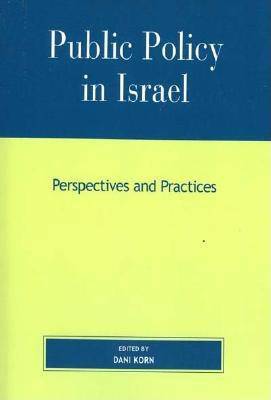
Israel's current policy-making capacity is not sufficient to meet the challenges the country faces. This volume presents a framework for understanding the fractured decision-making process in a politically divided Israel. In a nation that lacks consensus on the very nature of the state, and where policy making is heavily controlled by partisan politics, policy implementation capabilities are crucial for the very survival of Israeli society. Contributors discuss the role of public policy making on Israel's large public sector, electoral reform, the question of immigration absorption, and wartime planning, and they consider the extent to which the Israeli Supreme Court has become involved in the policy-making process in the wake of the collapse of political mechanisms for conflict regulation. This book provides essential information for students of political science and public policy seeking a clearer understanding of the political challenges facing the twenty-first century Israeli state and a blueprint for the radical reform of Israel's policy-making system.
Specificaties
Betrokkenen
- Uitgeverij:
Inhoud
- Aantal bladzijden:
- 242
- Taal:
- Engels
- Reeks:
Eigenschappen
- Productcode (EAN):
- 9780739110577
- Verschijningsdatum:
- 15/02/2005
- Uitvoering:
- Paperback
- Formaat:
- Trade paperback (VS)
- Afmetingen:
- 155 mm x 226 mm
- Gewicht:
- 385 g

Alleen bij Standaard Boekhandel
+ 179 punten op je klantenkaart van Standaard Boekhandel
Cadeau

AANGERADEN


Beoordelingen
We publiceren alleen reviews die voldoen aan de voorwaarden voor reviews. Bekijk onze voorwaarden voor reviews.