


- Afhalen na 1 uur in een winkel met voorraad
- Gratis thuislevering in België vanaf € 30
- Ruim aanbod met 7 miljoen producten
- Afhalen na 1 uur in een winkel met voorraad
- Gratis thuislevering in België vanaf € 30
- Ruim aanbod met 7 miljoen producten





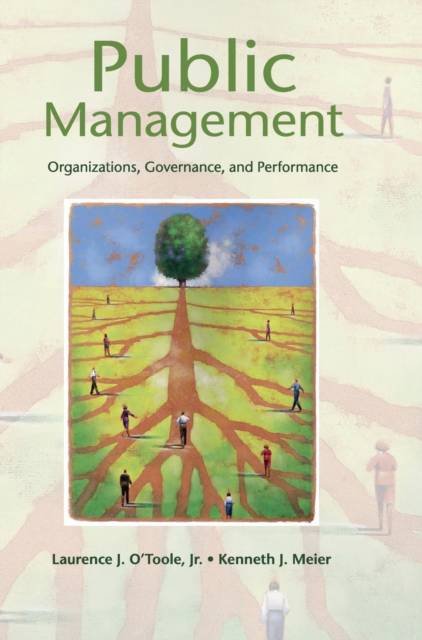
Public Management
Organizations, Governance, and Performance
Laurence J O'Toole Jr, Kenneth J Meier
Hardcover | Engels
€ 55,95
+ 111 punten
Omschrijving
How effective are public managers as they seek to influence how public organizations deliver policy results? How, and how much, is management related to the performance of public programs? What aspects of management can be distinguished? Can their separable contributions to performance be estimated? The fate of public policies in today's world lies in the hands of public organizations, which in turn are often intertwined with others in latticed patterns of governance. Collectively, these organizations are expected to generate performance in terms of policy outputs and outcomes. In this book, two award-winning researchers investigate the effectiveness of management in the public sector. Firstly, they develop a systematic theory on how effective public managers are in shaping policy results. The rest of the book then tests this theory against a wide range of evidence, including a data set of 1,000 public organizations.
Specificaties
Betrokkenen
- Auteur(s):
- Uitgeverij:
Inhoud
- Aantal bladzijden:
- 332
- Taal:
- Engels
Eigenschappen
- Productcode (EAN):
- 9781107004412
- Verschijningsdatum:
- 14/04/2011
- Uitvoering:
- Hardcover
- Formaat:
- Ongenaaid / garenloos gebonden
- Afmetingen:
- 178 mm x 249 mm
- Gewicht:
- 816 g


Alleen bij Standaard Boekhandel
+ 111 punten op je klantenkaart van Standaard Boekhandel
Cadeau

AANGERADEN


Beoordelingen
We publiceren alleen reviews die voldoen aan de voorwaarden voor reviews. Bekijk onze voorwaarden voor reviews.