


- Afhalen na 1 uur in een winkel met voorraad
- Gratis thuislevering in België vanaf € 30
- Ruim aanbod met 7 miljoen producten
- Afhalen na 1 uur in een winkel met voorraad
- Gratis thuislevering in België vanaf € 30
- Ruim aanbod met 7 miljoen producten





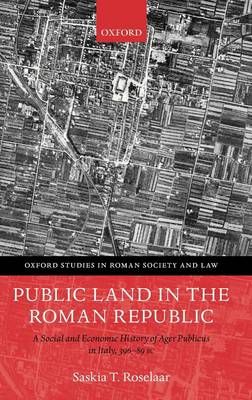
Public Land in the Roman Republic
A Social and Economic History of Ager Publicus in Italy, 396-89 BC
Saskia Roselaar
€ 402,95
+ 805 punten
Eenvoudig bestellen
Veilig betalen


Gratis thuislevering vanaf € 30 (via bpost)
Gratis levering in je Standaard Boekhandel
Omschrijving
In the first volume in this new series on Roman society and law, Saskia T. Roselaar traces the social and economic history of the ager publicus, or public land. As the Romans conquered Italy during the fourth to first centuries BC, they usually took land away from their defeated enemies and declared this to be the property of the Roman state. This land could be distributed to Roman citizens, but it could also remain in the hands of the state, in which case it was available for general public use. However, in the third and second centuries BC growth in the population of Italy led to an increased demand for land among both commercial producers and small farmers. This in turn led to the gradual privatization of the state-owned land, as those who held it wanted to safeguard their rights to it. Roselaar traces the currents in Roman economy and demography which led to these developments.
Specificaties
Betrokkenen
- Auteur(s):
- Uitgeverij:
Inhoud
- Aantal bladzijden:
- 380
- Taal:
- Engels
- Reeks:
Eigenschappen
- Productcode (EAN):
- 9780199577231
- Verschijningsdatum:
- 17/09/2010
- Uitvoering:
- Hardcover
- Formaat:
- Genaaid
- Afmetingen:
- 163 mm x 234 mm
- Gewicht:
- 757 g


Alleen bij Standaard Boekhandel
+ 805 punten op je klantenkaart van Standaard Boekhandel
CADEAU

AANGERADEN


Beoordelingen
We publiceren alleen reviews die voldoen aan de voorwaarden voor reviews. Bekijk onze voorwaarden voor reviews.