


- Afhalen na 1 uur in een winkel met voorraad
- Gratis thuislevering in België vanaf € 30
- Ruim aanbod met 7 miljoen producten
- Afhalen na 1 uur in een winkel met voorraad
- Gratis thuislevering in België vanaf € 30
- Ruim aanbod met 7 miljoen producten





€ 72,45
+ 144 punten
Uitvoering
Omschrijving
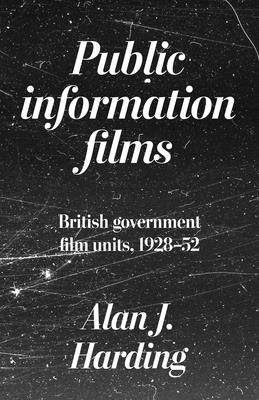
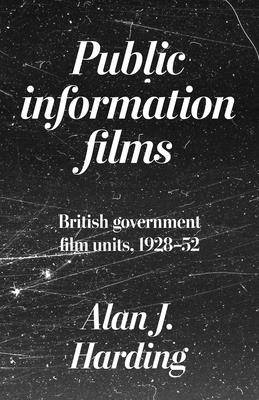
In the years after the First World War the British government had to adapt its communication policy to connect with the new mass electorate. This book examines the government's own Film Units and their slow development of the Public Information Film. By reviewing the entire film catalogue produced by the Empire Marketing Board, the General Post Office and Crown Film Units, particular themes are identified which not only reflect the demands of the Units' sponsors but also the anxieties and concerns of the 1930s and 1940s. The impact of the films is explored through the contemporary reaction of the audiences to them. By the time the Crown Film Unit was closed in 1952 a style of Public Information Film had been developed and continued into the 1970s.
Specificaties
Betrokkenen
- Auteur(s):
- Uitgeverij:
Inhoud
- Aantal bladzijden:
- 344
- Taal:
- Engels
Eigenschappen
- Productcode (EAN):
- 9781526198273
- Verschijningsdatum:
- 23/06/2026
- Uitvoering:
- Paperback
- Formaat:
- Trade paperback (VS)
- Afmetingen:
- 140 mm x 216 mm
- Gewicht:
- 394 g


Alleen bij Standaard Boekhandel
+ 144 punten op je klantenkaart van Standaard Boekhandel
Cadeau

AANGERADEN


Beoordelingen
We publiceren alleen reviews die voldoen aan de voorwaarden voor reviews. Bekijk onze voorwaarden voor reviews.