


- Afhalen na 1 uur in een winkel met voorraad
- Gratis thuislevering in België vanaf € 30
- Ruim aanbod met 7 miljoen producten
- Afhalen na 1 uur in een winkel met voorraad
- Gratis thuislevering in België vanaf € 30
- Ruim aanbod met 7 miljoen producten





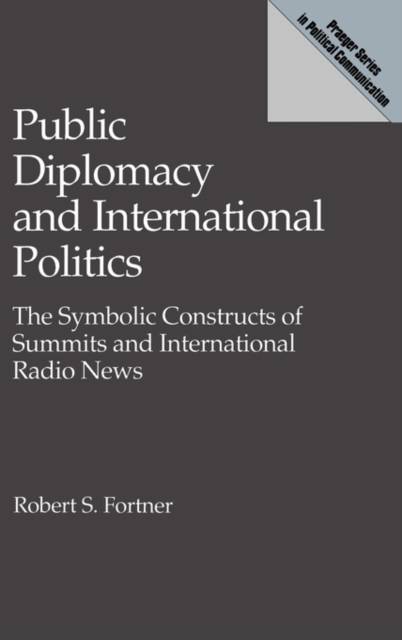
Public Diplomacy and International Politics
The Symbolic Constructs of Summits and International Radio News
Robert S Fortner
€ 169,95
+ 339 punten
Omschrijving
This book examines international radio news coverage of the four superpower summit meetings between Soviets and Americans from 1987 to 1990. It concentrates on the symbolic constructs used by radio services to report about the summits, including their treatments of the two superpowers, their leaders, and their perspectives as recorded in interviews, press conferences and releases, joint communiques, and briefings. The study assesses the degree of success enjoyed by each of the superpowers in directing the nature of international news coverage, particularly the public relations battle between Mikhail Gorbachev and Ronald Reagan. It also weighs the viability of specific talking points written to direct U.S. summit statements by the National Security Council, and the degree to which news coverage was tainted by propaganda. Finally, it is able to suggest the nature of each service's contribution to diversity in international news flow, and to the ongoing debate about the equality of the international communication and information order.
Specificaties
Betrokkenen
- Auteur(s):
- Uitgeverij:
Inhoud
- Aantal bladzijden:
- 216
- Taal:
- Engels
- Reeks:
Eigenschappen
- Productcode (EAN):
- 9780275935948
- Verschijningsdatum:
- 27/04/1994
- Uitvoering:
- Hardcover
- Formaat:
- Genaaid
- Afmetingen:
- 156 mm x 234 mm
- Gewicht:
- 485 g


Alleen bij Standaard Boekhandel
+ 339 punten op je klantenkaart van Standaard Boekhandel
Cadeau

AANGERADEN


Beoordelingen
We publiceren alleen reviews die voldoen aan de voorwaarden voor reviews. Bekijk onze voorwaarden voor reviews.