


- Afhalen na 1 uur in een winkel met voorraad
- Gratis thuislevering in België vanaf € 30
- Ruim aanbod met 7 miljoen producten
- Afhalen na 1 uur in een winkel met voorraad
- Gratis thuislevering in België vanaf € 30
- Ruim aanbod met 7 miljoen producten





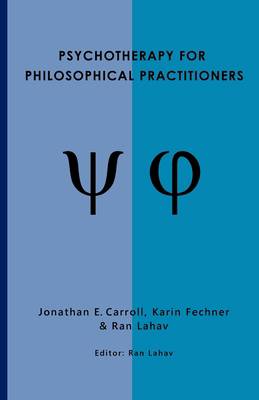
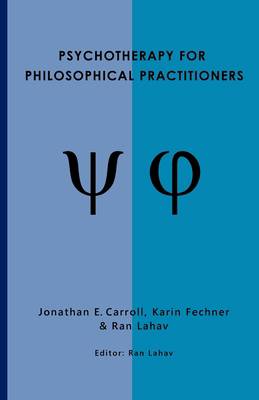
Psychotherapy for Philosophical Practitioners
Jonathan Carroll, Karin Fechner, Ran Lahav
Paperback | Engels
€ 20,95
+ 41 punten
Omschrijving
The philosophical counselor helps counselees explore their lives from a philosophical perspective, but such a personal exploration inevitably involves psychological processes in the counselee, in the counselor, and between them. It follows that psychological sensitivities and tools are of great importance for the philosophical counselor. This book provides a systematic survey of useful psychological theories and tools for philosophical counselors, together with case studies to demonstrate them. The first part of the book introduces the main approaches to psychotherapy practiced today; the second part focuses on selected psychotherapeutic concepts and illustrates them with brief case studies; and the third part presents and analyzes two detailed psychotherapy case studies. Together, these three parts offer the philosophical counselor important practical tools for understanding the psychology of the philosophical counseling process.
Specificaties
Betrokkenen
- Auteur(s):
- Uitgeverij:
Inhoud
- Aantal bladzijden:
- 118
- Taal:
- Engels
Eigenschappen
- Productcode (EAN):
- 9781947515291
- Verschijningsdatum:
- 22/04/2026
- Uitvoering:
- Paperback
- Formaat:
- Trade paperback (VS)
- Afmetingen:
- 140 mm x 216 mm
- Gewicht:
- 145 g


Alleen bij Standaard Boekhandel
+ 41 punten op je klantenkaart van Standaard Boekhandel
Cadeau

AANGERADEN


Beoordelingen
We publiceren alleen reviews die voldoen aan de voorwaarden voor reviews. Bekijk onze voorwaarden voor reviews.