


- Afhalen na 1 uur in een winkel met voorraad
- Gratis thuislevering in België vanaf € 30
- Ruim aanbod met 7 miljoen producten
- Afhalen na 1 uur in een winkel met voorraad
- Gratis thuislevering in België vanaf € 30
- Ruim aanbod met 7 miljoen producten





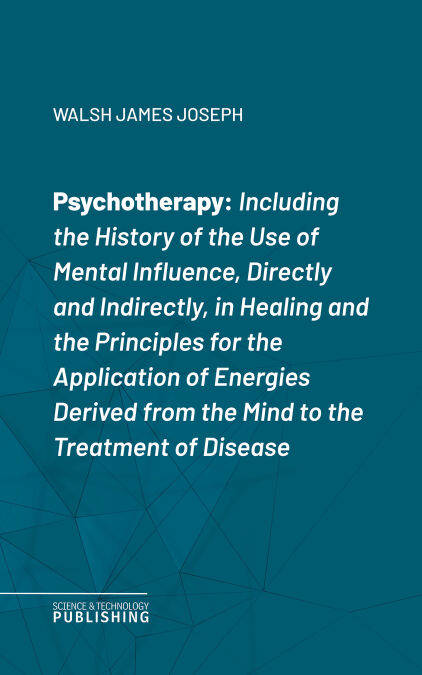
Psychotherapy E-BOOK
Including the History of the Use of Mental Influence, Directly and Indirectly, in Healing and the Principles for the Application of Energies Derived from the Mind to the Treatment of Disease
James Joseph Walsh
E-book | Engels
€ 19,99
+ 19 punten
Omschrijving
Psychotherapy Including the History of the Use of Mental Influence, Directly and Indirectly, in Healing and the Principles for the Application of Energies Derived from the Mind to the Treatment of Disease by William Browning is a comprehensive exploration of the role of mental influence in the healing arts, tracing its roots from ancient times to the early twentieth century. This seminal work delves into the historical evolution of psychotherapy, examining how various cultures and medical traditions have harnessed the power of suggestion, belief, and mental energy to treat physical and psychological ailments. Browning meticulously documents the practices of ancient healers, the influence of religious and spiritual traditions, and the gradual emergence of scientific approaches to mental healing. The book provides an in-depth analysis of the principles underlying the application of mental energies in therapy, discussing both direct and indirect methods of influencing the mind and body. Browning explores the mechanisms of suggestion, hypnosis, and autosuggestion, as well as the importance of the therapeutic relationship and the patient's belief in the healing process. He also addresses the ethical considerations and potential dangers of mental influence, advocating for responsible and informed use of these powerful techniques. Rich with historical anecdotes, case studies, and practical guidance, Psychotherapy serves as both a scholarly resource and a practical manual for practitioners interested in the psychological dimensions of healing. Browning's work stands as a testament to the enduring significance of the mind-body connection and offers valuable insights into the principles and practices that continue to shape modern psychotherapy.
Specificaties
Betrokkenen
- Auteur(s):
- Uitgeverij:
Inhoud
- Taal:
- Engels
Eigenschappen
- Productcode (EAN):
- 9782528107539
- Verschijningsdatum:
- 31/08/2025
- Uitvoering:
- E-book
- Formaat:
- ePub


Alleen bij Standaard Boekhandel
+ 19 punten op je klantenkaart van Standaard Boekhandel
Cadeau

AANGERADEN


Beoordelingen
We publiceren alleen reviews die voldoen aan de voorwaarden voor reviews. Bekijk onze voorwaarden voor reviews.