



Je cadeautjes zeker op tijd in huis hebben voor de feestdagen? Kom langs in onze winkels en vind het perfecte geschenk!
- Afhalen na 1 uur in een winkel met voorraad
- Gratis thuislevering in België vanaf € 30
- Ruim aanbod met 7 miljoen producten
Je cadeautjes zeker op tijd in huis hebben voor de feestdagen? Kom langs in onze winkels en vind het perfecte geschenk!
- Afhalen na 1 uur in een winkel met voorraad
- Gratis thuislevering in België vanaf € 30
- Ruim aanbod met 7 miljoen producten





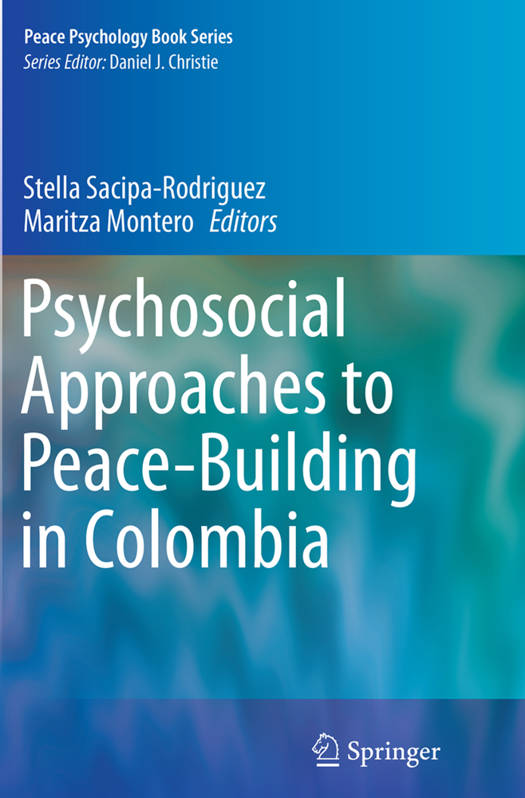
Psychosocial Approaches to Peace-Building in Colombia
€ 134,95
+ 269 punten
Omschrijving
This edited volume summarizes the work of a research group, called Social Bonds and Cultures of Peace that accompanies and supports victims of socio-political violence in Columbia. The individual chapters focus on the ongoing violence in the Colombian context, a complex and dynamic area in which various groups (drug traffickers, national armed forces, guerrilla fighters, self-defence groups) have been engaged in organized violence for more than 60 years. Emphasis is placed on the psychological consequences of violence and various forms of psychosocial support that psychologists have been providing to the victims of violence. Central to their work is the notion of "accompanying" those who have been victims of violence, listening to them, engaging them in dialogue and working together to strengthen the resources of victims. The recovery of individual and collective memories of atrocities is discussed as an important avenue for healing and for the empowerment of individuals and groups. The solidarity among victims creates opportunities at the grassroots level to pursue truth, reveal perpetrators of violence, seek public acknowledgment and attain social justice. For perpetrators of violence and members of armed groups, the book addresses a host of psychosocial issues related to disarming, demobilizing and reintegrating former combatants, including children, into society. Throughout the book, in the spirit of peace psychology, the researchers are engaged in a form of praxis that is cognizant of the wider geohistorical context within which victims and perpetrators are embedded and the dialectical relationship between micro and macro-level events and change. Researchers in Latin American studies, peace psychology, social justice and transitional justice, will find this volume to be an excellent resource.
Specificaties
Betrokkenen
- Uitgeverij:
Inhoud
- Aantal bladzijden:
- 155
- Taal:
- Engels
- Reeks:
- Reeksnummer:
- nr. 25
Eigenschappen
- Productcode (EAN):
- 9783319355429
- Verschijningsdatum:
- 3/09/2016
- Uitvoering:
- Paperback
- Afmetingen:
- 155 mm x 10 mm
- Gewicht:
- 283 g

Alleen bij Standaard Boekhandel
+ 269 punten op je klantenkaart van Standaard Boekhandel
CADEAU


Beoordelingen
We publiceren alleen reviews die voldoen aan de voorwaarden voor reviews. Bekijk onze voorwaarden voor reviews.