


- Afhalen na 1 uur in een winkel met voorraad
- Gratis thuislevering in België vanaf € 30
- Ruim aanbod met 7 miljoen producten
- Afhalen na 1 uur in een winkel met voorraad
- Gratis thuislevering in België vanaf € 30
- Ruim aanbod met 7 miljoen producten





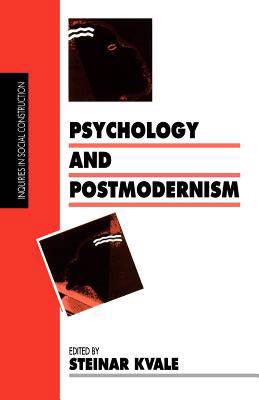
Psychology and Postmodernism
€ 198,45
+ 396 punten
Omschrijving
In recent years, the impact of postmodernism has reverberated throughout the social and human sciences. Psychology and Postmodernism breaks new ground by exploring the implications of postmodernist ideas for psychology. Contributors examine central themes of postmodernism as they relate to psychology: the nature of the self, local knowledge versus universal knowledge, and the pivotal role of language in social life. As new possibilities for psychology are outlined, theoretical reformulations are placed alongside implications for new psychological practice and method. In addition, this groundbreaking volume presents criticism and support for postmodern perspectives, from feminist criticism of postmodern "deconstruction" to argument with the usefulness of clear distinctions between a "modern" and "postmodern" psychology. Psychology and Postmodernism is cutting-edge material for those interested in the evolution of psychology in the postmodern era. "With authors from the United States, England, Denmark and Norway, it represents an international array of perspectives on the relations of psychology and postmodernism. . . . It provides a portrait of psychology at the cutting edge of developments in the arts and humanities. Until recently, these developments had been simply ignored by psychology. Now, they are beginning to be bandied about by the appropriation of poorly understood phrases and ideas. This volume should add real depth to that dialogue." --The Humanistic Psychologist
Specificaties
Betrokkenen
- Uitgeverij:
Inhoud
- Aantal bladzijden:
- 240
- Taal:
- Engels
- Reeks:
- Reeksnummer:
- nr. 9
Eigenschappen
- Productcode (EAN):
- 9780803986046
- Verschijningsdatum:
- 1/12/1992
- Uitvoering:
- Paperback
- Formaat:
- Trade paperback (VS)
- Afmetingen:
- 136 mm x 213 mm
- Gewicht:
- 294 g

Alleen bij Standaard Boekhandel
+ 396 punten op je klantenkaart van Standaard Boekhandel
Cadeau

AANGERADEN


Beoordelingen
We publiceren alleen reviews die voldoen aan de voorwaarden voor reviews. Bekijk onze voorwaarden voor reviews.