


- Afhalen na 1 uur in een winkel met voorraad
- Gratis thuislevering in België vanaf € 30
- Ruim aanbod met 7 miljoen producten
- Afhalen na 1 uur in een winkel met voorraad
- Gratis thuislevering in België vanaf € 30
- Ruim aanbod met 7 miljoen producten





€ 169,95
+ 339 punten
Omschrijving
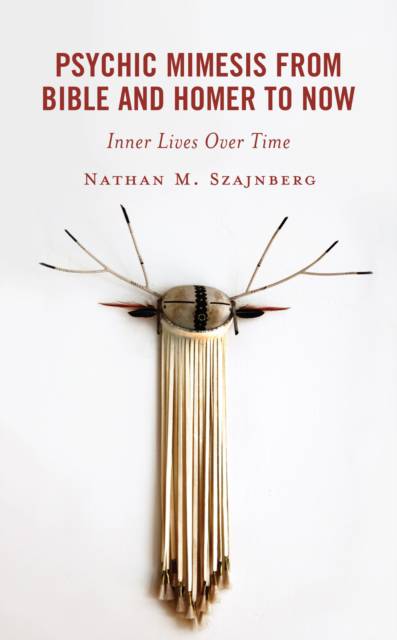
How did we develop our current views of inner life? Psychic Mimesis From Bible and Homer to the Present: Inner Life Over Time reaches back to Biblical and Homeric times, then sweeps across over two millennia of Western literature to answer this question. We discover that while there are discrete contributions from different eras/cultures about inner life--volition, ego ideal, superego, development as a journey, relatedness, even the fact of innerness--there are also at least three trends that have endured from the beginning of our literature and continue as ostinatos beneath each theme and variation of development. These are emotions and our need to conceal and reveal secrets and attachment that is our ability to explore from a secure base. This book takes us through the journey of discovery to arrive at our twenty-first century sense of self and inner life. We follow Auerbach's text, Mimesis, as a guide through the literature, but add surprises such as Maimonides' Guide to the perplexed or Rousseau's Confessions to arrive at the sense that while there are particularities to eras and cultures, there is also something universal that resonates with us and endures.
Specificaties
Betrokkenen
- Auteur(s):
- Uitgeverij:
Inhoud
- Aantal bladzijden:
- 206
- Taal:
- Engels
- Reeks:
Eigenschappen
- Productcode (EAN):
- 9781666922554
- Verschijningsdatum:
- 6/04/2023
- Uitvoering:
- Hardcover
- Formaat:
- Genaaid
- Afmetingen:
- 152 mm x 229 mm
- Gewicht:
- 467 g



Alleen bij Standaard Boekhandel
+ 339 punten op je klantenkaart van Standaard Boekhandel
Cadeau

AANGERADEN


Beoordelingen
We publiceren alleen reviews die voldoen aan de voorwaarden voor reviews. Bekijk onze voorwaarden voor reviews.