


- Afhalen na 1 uur in een winkel met voorraad
- Gratis thuislevering in België vanaf € 30
- Ruim aanbod met 7 miljoen producten
- Afhalen na 1 uur in een winkel met voorraad
- Gratis thuislevering in België vanaf € 30
- Ruim aanbod met 7 miljoen producten





€ 66,00
+ 132 punten
Omschrijving
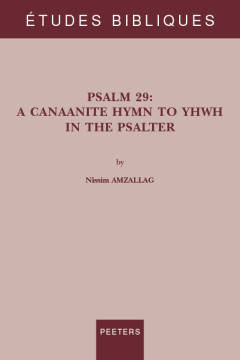
Interpreted as praising the divine powers on the storm, Psalm 29 is currently a cornerstone of the thesis of YHWH's storm-god identity and his closeness to the Canaanite Baal. Here, this view is challenged by considerations about YHWH's powers on the storm and a reanalysis of Psalm 29, including a comparative examination of the three possible expressions of the voice of YHWH (storm, volcanism, and metallurgy); a whole-psalm analysis of its structure, content and literary developments; and the meaning of five songs (Psalms 46, 96-98, 114) conditioned by it. This analysis identifies Psalm 29 as a pre-Israelite, Qenite song promoting a metallurgical relationship with YHWH, and praising him as the 'Lord of mabbul' (=revitalization). Its content unveils the Qenite Yahwism and its enduring influence in Israel. The conditioned psalms express how this song contributed to the evolution of the Israelite religion, especially the transformation of YHWH into the 'Lord of Justice' in Psalms 96-98 and the Isaiah theology.
Specificaties
Betrokkenen
- Auteur(s):
- Uitgeverij:
Inhoud
- Aantal bladzijden:
- 263
- Taal:
- Engels
- Reeks:
- Reeksnummer:
- nr. 89
Eigenschappen
- Productcode (EAN):
- 9789042945920
- Verschijningsdatum:
- 31/12/2021
- Uitvoering:
- Paperback
- Formaat:
- Trade paperback (VS)
- Afmetingen:
- 166 mm x 240 mm
- Gewicht:
- 408 g


Alleen bij Standaard Boekhandel
+ 132 punten op je klantenkaart van Standaard Boekhandel
Cadeau

AANGERADEN


Beoordelingen
We publiceren alleen reviews die voldoen aan de voorwaarden voor reviews. Bekijk onze voorwaarden voor reviews.