


- Afhalen na 1 uur in een winkel met voorraad
- Gratis thuislevering in België vanaf € 30
- Ruim aanbod met 7 miljoen producten
- Afhalen na 1 uur in een winkel met voorraad
- Gratis thuislevering in België vanaf € 30
- Ruim aanbod met 7 miljoen producten




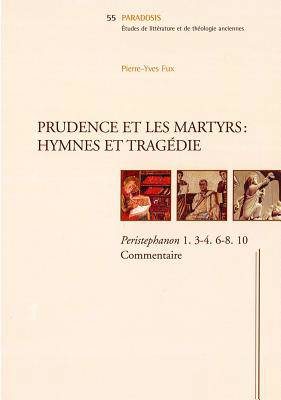
Prudence Et Las Martyrs
Hymnes Et Tragedie: Peristephanon 1. 2-4. 6-8. 10. Commentaire
Martin Mayerhofer
Paperback | Frans
€ 161,45
+ 322 punten
Omschrijving
Usant de metres varies, Prudence versifie la passion de martyrs et revisite le theatre, les carmina triumphalia, les catalogues de heros. Le Romanus (Peristephanon 10) est un exemple unique et paradoxal de tragedien latine chretienne, occasion d'une satire anti-pa"ienne avec une ceU-bre description du taurobole. Le commentaire de detail de ce poeme, de cinq Hymnes et d'une epigramme s'accompagne d'un examen des rapports entre le Peristephanon et les autres poemes de Prudence. Lai"c lettre, magistrate en retraite, ce poete chretien temoigne par les uvres ici etudiees et par un groupe primitif de sept Passions (etabli et commente dans le vol. 46 de la collection Paradosis) de l'evolution du culte des martyrs vers l'an 400. Using various meters, Prudentius versifies the passion of martyrs and revisits tragedy, the carmina triumphalia or the catalogues of heroes. The Romanus (Peristephanon 10) is a unique and paradoxical example of a Christian Latin "tragedy", and an occasion for an anti-pagan satire with a famous description of the taurobolium. A detailed commentary of this poem, of five Hymns and of an epigram is accompanied by an exam of the relations between the Peristephanon and Prudentius' other poems. This Christian poet, a literate layman and a retired magistrate, illustrates in the works studied here and in an original group of seven Passions (established as such and commented in vol. 46 of the collection Paradosis) the developments in the cult of the martyrs around 400 AD.
Specificaties
Betrokkenen
- Auteur(s):
- Uitgeverij:
Inhoud
- Aantal bladzijden:
- 492
- Taal:
- Frans
Eigenschappen
- Productcode (EAN):
- 9783402161142
- Verschijningsdatum:
- 24/08/2016
- Uitvoering:
- Paperback
- Formaat:
- Trade paperback (VS)
- Gewicht:
- 820 g


Alleen bij Standaard Boekhandel
+ 322 punten op je klantenkaart van Standaard Boekhandel
Wedstrijd


Beoordelingen
We publiceren alleen reviews die voldoen aan de voorwaarden voor reviews. Bekijk onze voorwaarden voor reviews.