


- Afhalen na 1 uur in een winkel met voorraad
- Gratis thuislevering in België vanaf € 30
- Ruim aanbod met 7 miljoen producten
- Afhalen na 1 uur in een winkel met voorraad
- Gratis thuislevering in België vanaf € 30
- Ruim aanbod met 7 miljoen producten





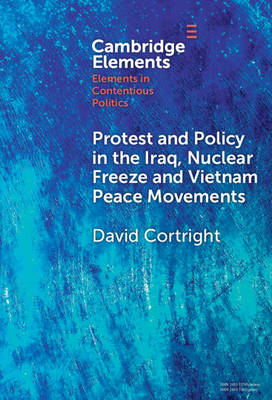
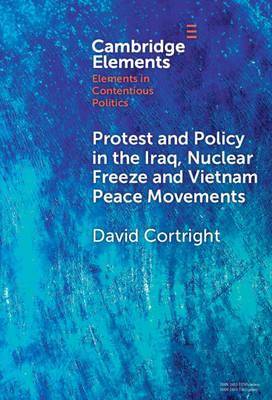
Protest and Policy in the Iraq, Nuclear Freeze and Vietnam Peace Movements
David Cortright
€ 124,45
+ 248 punten
Uitvoering
Eenvoudig bestellen
Veilig betalen


Gratis thuislevering vanaf € 30 (via bpost)
Gratis levering in je Standaard Boekhandel
Omschrijving
This Element addresses questions about social movement effectiveness and the strategies and methods that are most likely to achieve policy change. It examines the nature of peace movements through a comparative analysis of three major movements, focusing on their policy impacts. It assesses social movement dynamics and the mechanisms through which movements gain influence. The purpose is to mine campaign experiences from the past to develop action guidelines for more effective citizen activism against war and nuclear weapons in the future. The Element examines non-institutional and institutional forms of politics and the relationship between the two, and how they can be mutually reinforcing. It traces examples of inside-outside approaches within the three peace movements and their effects. Lessons from the analysis and case studies are applied in the final section to proposals for a new global freeze movement to stop the emerging international arms race.
Specificaties
Betrokkenen
- Auteur(s):
- Uitgeverij:
Inhoud
- Aantal bladzijden:
- 76
- Taal:
- Engels
- Reeks:
Eigenschappen
- Productcode (EAN):
- 9781009640282
- Verschijningsdatum:
- 19/06/2025
- Uitvoering:
- Hardcover
- Formaat:
- Genaaid
- Afmetingen:
- 152 mm x 229 mm
- Gewicht:
- 272 g


Alleen bij Standaard Boekhandel
+ 248 punten op je klantenkaart van Standaard Boekhandel
CADEAU

AANGERADEN


Beoordelingen
We publiceren alleen reviews die voldoen aan de voorwaarden voor reviews. Bekijk onze voorwaarden voor reviews.