



Je cadeautjes zeker op tijd in huis hebben voor de feestdagen? Kom langs in onze winkels en vind het perfecte geschenk!
- Afhalen na 1 uur in een winkel met voorraad
- Gratis thuislevering in België vanaf € 30
- Ruim aanbod met 7 miljoen producten
Je cadeautjes zeker op tijd in huis hebben voor de feestdagen? Kom langs in onze winkels en vind het perfecte geschenk!
- Afhalen na 1 uur in een winkel met voorraad
- Gratis thuislevering in België vanaf € 30
- Ruim aanbod met 7 miljoen producten





€ 134,45
+ 268 punten
Omschrijving
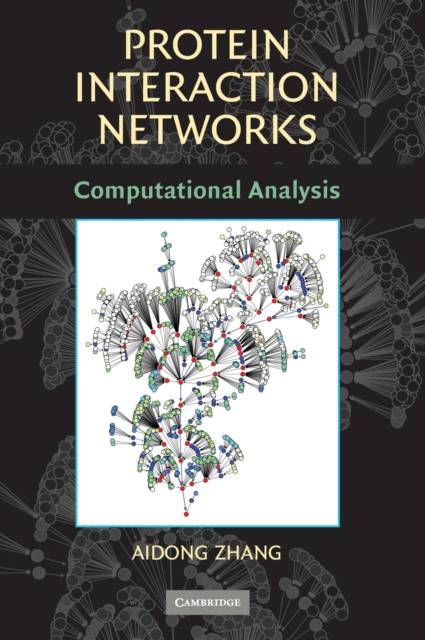
The analysis of protein-protein interactions is fundamental to the understanding of cellular organization, processes, and functions. Recent large-scale investigations of protein-protein interactions using such techniques as two-hybrid systems, mass spectrometry, and protein microarrays have enriched the available protein interaction data and facilitated the construction of integrated protein-protein interaction networks. The resulting large volume of protein-protein interaction data has posed a challenge to experimental investigation. This book provides a comprehensive understanding of the computational methods available for the analysis of protein-protein interaction networks. It offers an in-depth survey of a range of approaches, including statistical, topological, data-mining, and ontology-based methods. The author discusses the fundamental principles underlying each of these approaches and their respective benefits and drawbacks, and she offers suggestions for future research.
Specificaties
Betrokkenen
- Auteur(s):
- Uitgeverij:
Inhoud
- Aantal bladzijden:
- 292
- Taal:
- Engels
Eigenschappen
- Productcode (EAN):
- 9780521888950
- Verschijningsdatum:
- 6/04/2009
- Uitvoering:
- Hardcover
- Formaat:
- Genaaid
- Afmetingen:
- 178 mm x 254 mm
- Gewicht:
- 748 g


Alleen bij Standaard Boekhandel
+ 268 punten op je klantenkaart van Standaard Boekhandel
CADEAU


Beoordelingen
We publiceren alleen reviews die voldoen aan de voorwaarden voor reviews. Bekijk onze voorwaarden voor reviews.