



- Afhalen na 1 uur in een winkel met voorraad
- In januari gratis thuislevering in België
- Ruim aanbod met 7 miljoen producten
- Afhalen na 1 uur in een winkel met voorraad
- In januari gratis thuislevering in België
- Ruim aanbod met 7 miljoen producten





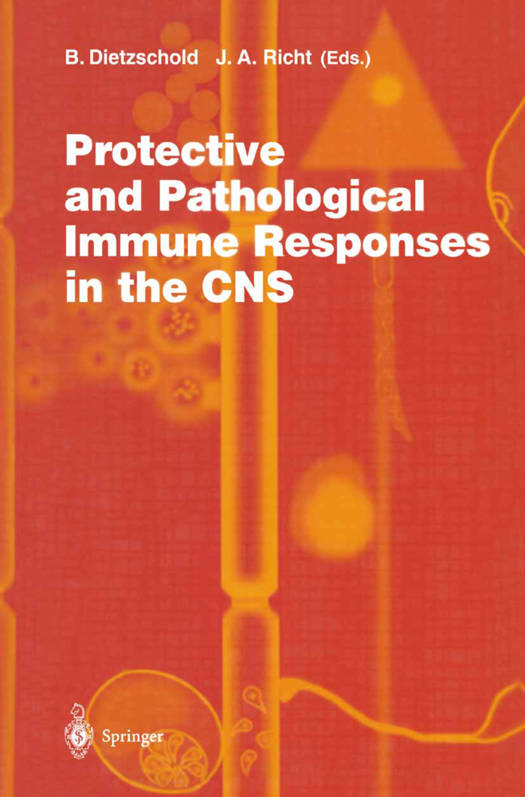
Protective and Pathological Immune Responses in the CNS
€ 237,59
+ 475 punten
Omschrijving
In spite of the protection of the CNS there are situations where immune responses occur due to different disease processes. While antigen-specific cells of the adaptive immune response are not normally functional in the CNS tissue, CNS resident cells respond to infection or insult. One mechanisms is through the induction of apoptosis in virus infected neurons, which may be protective or pathogenic depending on the extent of cell death. It is well known that the CNS is normally protected from immune effectors because of the potential of irreversible damage to the nervous tissue. Nevertheless, there are situations where immune responses occur in the CNS due to different disease processes. Some of these responses are purely pathogenic while others clear or contain disease causing pathogens. In this volume, the mechanisms responsible for the varied outcomes are compared and contrasted.
Specificaties
Betrokkenen
- Uitgeverij:
Inhoud
- Aantal bladzijden:
- 280
- Taal:
- Engels
- Reeks:
- Reeksnummer:
- nr. 265
Eigenschappen
- Productcode (EAN):
- 9783642076558
- Verschijningsdatum:
- 1/12/2010
- Uitvoering:
- Paperback
- Afmetingen:
- 155 mm x 235 mm
- Gewicht:
- 491 g

Alleen bij Standaard Boekhandel
+ 475 punten op je klantenkaart van Standaard Boekhandel
Cadeau

AANGERADEN


Beoordelingen
We publiceren alleen reviews die voldoen aan de voorwaarden voor reviews. Bekijk onze voorwaarden voor reviews.