


- Afhalen na 1 uur in een winkel met voorraad
- Gratis thuislevering in België vanaf € 30
- Ruim aanbod met 7 miljoen producten
- Afhalen na 1 uur in een winkel met voorraad
- Gratis thuislevering in België vanaf € 30
- Ruim aanbod met 7 miljoen producten





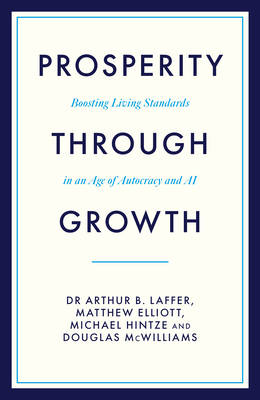
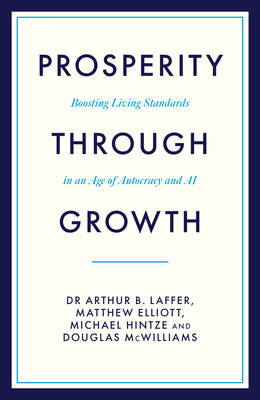
Prosperity Through Growth
Boosting Living Standards in an Age of Autocracy and AI
Arthur Laffer, Matthew Elliott
Hardcover | Engels
€ 34,95
+ 69 punten
Omschrijving
Prosperity Through Growth is a primer for reviving the UK economy, co-authored by some of our finest economic minds: celebrated US economist Dr Arthur B. Laffer, inventor of the Laffer curve; policy campaigner Matthew Elliott; businessman Michael Hintze; and founder of the Centre for Economics and Business Research Douglas McWilliams.It begins by setting out the principles of ideal economic policy - the 'North Star' of prosperity through growth - and applies them to the UK's current position. The thinking takes account of the age of autocracy and AI, in which political decisions in democracies are constrained and talented and entrepreneurial people are increasingly mobile, making economic incentives even more important.The final section draws on interviews with more than thirty economic decision-makers from the worlds of business, politics and the civil service, including five Prime Ministers and nine Chancellors. The interviews give insights into the economic and political causes of low growth and provide a strategy for implementing a pro-growth agenda.
Specificaties
Betrokkenen
- Auteur(s):
- Uitgeverij:
Inhoud
- Aantal bladzijden:
- 448
- Taal:
- Engels
Eigenschappen
- Productcode (EAN):
- 9781785909467
- Verschijningsdatum:
- 28/04/2026
- Uitvoering:
- Hardcover
- Formaat:
- Genaaid
- Afmetingen:
- 152 mm x 234 mm
- Gewicht:
- 614 g


Alleen bij Standaard Boekhandel
+ 69 punten op je klantenkaart van Standaard Boekhandel
Cadeau

AANGERADEN


Beoordelingen
We publiceren alleen reviews die voldoen aan de voorwaarden voor reviews. Bekijk onze voorwaarden voor reviews.