


- Afhalen na 1 uur in een winkel met voorraad
- Gratis thuislevering in België vanaf € 30
- Ruim aanbod met 7 miljoen producten
- Afhalen na 1 uur in een winkel met voorraad
- Gratis thuislevering in België vanaf € 30
- Ruim aanbod met 7 miljoen producten





€ 69,45
+ 138 punten
Uitvoering
Omschrijving
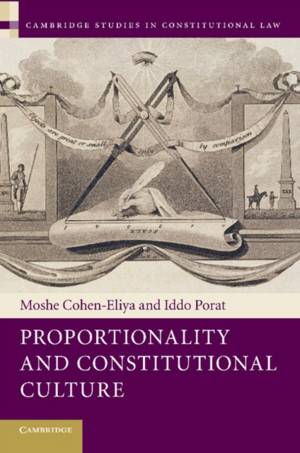
Although the most important constitutional doctrine worldwide, a thorough cultural and historical examination of proportionality has not taken place until now. This comparison of proportionality with its counterpart in American constitutional law - balancing - shows how culture and history can create deep differences in seemingly similar doctrines. Owing to its historical origin in Germany, proportionality carries to this day a pro-rights association, while the opposite is the case for balancing. In addition, European legal and political culture has shaped proportionality as intrinsic to the state's role in realizing shared values, while in the United States a suspicion-based legal and political culture has shaped balancing in more pragmatic and instrumental terms. Although many argue that the USA should converge on proportionality, the book shows that a complex web of cultural associations make it an unlikely prospect.
Specificaties
Betrokkenen
- Auteur(s):
- Uitgeverij:
Inhoud
- Aantal bladzijden:
- 184
- Taal:
- Engels
- Reeks:
- Reeksnummer:
- nr. 7
Eigenschappen
- Productcode (EAN):
- 9781107605718
- Verschijningsdatum:
- 13/06/2013
- Uitvoering:
- Paperback
- Formaat:
- Trade paperback (VS)
- Afmetingen:
- 150 mm x 224 mm
- Gewicht:
- 317 g


Alleen bij Standaard Boekhandel
+ 138 punten op je klantenkaart van Standaard Boekhandel
Cadeau

AANGERADEN


Beoordelingen
We publiceren alleen reviews die voldoen aan de voorwaarden voor reviews. Bekijk onze voorwaarden voor reviews.