


- Afhalen na 1 uur in een winkel met voorraad
- Gratis thuislevering in België vanaf € 30
- Ruim aanbod met 7 miljoen producten
- Afhalen na 1 uur in een winkel met voorraad
- Gratis thuislevering in België vanaf € 30
- Ruim aanbod met 7 miljoen producten





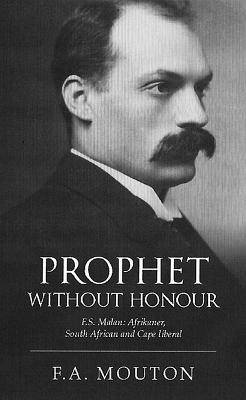
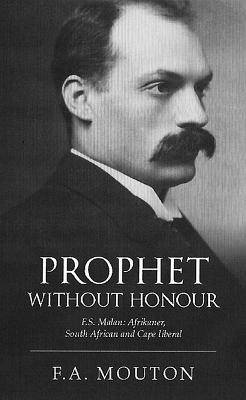
Prophet Without Honour
F. S. Malan, Afrikaner, South African and Cape Liberal
Mouton
Paperback | Engels
€ 28,45
+ 56 punten
Omschrijving
Francois Stephanus Malan (1871-1940), an Afrikaner newspaper editor and politician, is one of the most complex figures in South African history. In an era of racism, oppression and exploitation when whites regarded blacks as a barbarous threat to their supremacy he refused to pander to these fears. With the fervor of an Old Testament prophet he argued that white survival could be secured only through the extension of equal political rights to all races. Yet he was also an Afrikaner nationalist, playing a leading role in the Cape Colony defending the volk's interests against British domination. But he desired a united, stable and prosperous South Africa in which, free of internal British control, Afrikaners and English-speakers could overcome their enmity and become one nation. The purpose of the book is to create a portrait, focusing on the facts that reveal his personality and the essence of his career: his liberalism, religious belief and progressive theological views, his Afrikaner nationalism and desire to create a South African nation by reconciling Afrikaners and English-speakers, as well as his anti-capitalist views.
Specificaties
Betrokkenen
- Auteur(s):
- Uitgeverij:
Inhoud
- Aantal bladzijden:
- 184
- Taal:
- Engels
Eigenschappen
- Productcode (EAN):
- 9781869194147
- Verschijningsdatum:
- 1/03/2012
- Uitvoering:
- Paperback
- Formaat:
- Trade paperback (VS)
- Afmetingen:
- 135 mm x 211 mm
- Gewicht:
- 258 g


Alleen bij Standaard Boekhandel
+ 56 punten op je klantenkaart van Standaard Boekhandel
AANGERADEN


Beoordelingen
We publiceren alleen reviews die voldoen aan de voorwaarden voor reviews. Bekijk onze voorwaarden voor reviews.