



Je cadeautjes zeker op tijd in huis hebben voor de feestdagen? Kom langs in onze winkels en vind het perfecte geschenk!
- Afhalen na 1 uur in een winkel met voorraad
- Gratis thuislevering in België vanaf € 30
- Ruim aanbod met 7 miljoen producten
Je cadeautjes zeker op tijd in huis hebben voor de feestdagen? Kom langs in onze winkels en vind het perfecte geschenk!
- Afhalen na 1 uur in een winkel met voorraad
- Gratis thuislevering in België vanaf € 30
- Ruim aanbod met 7 miljoen producten





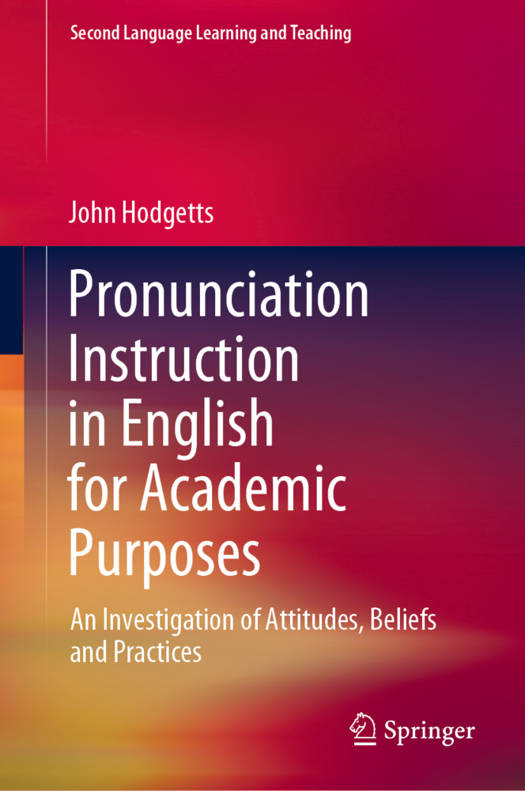
Pronunciation Instruction in English for Academic Purposes
John Hodgetts
€ 171,45
+ 342 punten
Uitvoering
Omschrijving
This book examines the pronunciation goals of teachers, course leaders, and learners on a ten-week UK pre-sessional access course, particularly with regard to suprasegmental instruction and target of instruction on how these goals are reflected in pronunciation assessment, and how teacher goals are informed by their attitudes and beliefs. A mixed methods approach, including direct observation and semi-structured interviews, is employed to address the area of enquiry. Results show a lack of clarity of course goals. Although there is a firm emphasis on suprasegmental instruction, in semi-structured interviews, teachers report a lack of clear course goals and guidance. Assessment and practice do not always adhere to a goal of intelligibility, and support for teachers, in terms of the materials and how they might be exploited seems limited. The book concludes with tentative recommendations on how suprasegmental instruction might be facilitated on EAP and other courses
Specificaties
Betrokkenen
- Auteur(s):
- Uitgeverij:
Inhoud
- Aantal bladzijden:
- 251
- Taal:
- Engels
- Reeks:
Eigenschappen
- Productcode (EAN):
- 9783030561154
- Verschijningsdatum:
- 5/09/2020
- Uitvoering:
- Hardcover
- Formaat:
- Genaaid
- Afmetingen:
- 156 mm x 234 mm
- Gewicht:
- 553 g


Alleen bij Standaard Boekhandel
+ 342 punten op je klantenkaart van Standaard Boekhandel
CADEAU


Beoordelingen
We publiceren alleen reviews die voldoen aan de voorwaarden voor reviews. Bekijk onze voorwaarden voor reviews.