


- Afhalen na 1 uur in een winkel met voorraad
- Gratis thuislevering in België vanaf € 30
- Ruim aanbod met 7 miljoen producten
- Afhalen na 1 uur in een winkel met voorraad
- Gratis thuislevering in België vanaf € 30
- Ruim aanbod met 7 miljoen producten





€ 122,45
+ 244 punten
Omschrijving
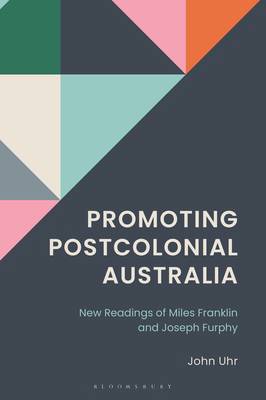
Promoting Postcolonial Australia: New Reading of Miles Franklin and Joseph Furphy uses Australian literary practice as a case study in the emergence of modern democratic literary culture. John Uhr merges traditional political theory and contemporary literary theory in this political reinterpretation of novels by two classic Australian writers: the feminist Miles Franklin and civic republican Joseph Furphy. Examines three of Franklin's novels: My Brilliant Career, Some Everyday Folk and Dawn, and All that Swagger. Surveys two of Furphy's novels: Rigby's Romance and The Buln-Buln and the Brolga, which were both written under Furphy's pseudonym Tom Collins. Despite their reputations as Australian nationalists, Uhr argues that Franklin and Furphy should be seen as pioneering examples of postcolonial literary theory as later devised by the late literary critic Edward Said, Said's framework is surprisingly relevant to writers like Franklin and Furphy who blend pre-modern or Stoic philosophy and post-liberal or communitarian perspectives in their critical portraits of the limits of conventional liberalism for emerging democracies.
Specificaties
Betrokkenen
- Auteur(s):
- Uitgeverij:
Inhoud
- Aantal bladzijden:
- 248
- Taal:
- Engels
- Reeks:
Eigenschappen
- Productcode (EAN):
- 9798765156193
- Verschijningsdatum:
- 6/08/2026
- Uitvoering:
- Hardcover
- Formaat:
- Genaaid
- Afmetingen:
- 152 mm x 229 mm
- Gewicht:
- 503 g


Alleen bij Standaard Boekhandel
+ 244 punten op je klantenkaart van Standaard Boekhandel
Cadeau

AANGERADEN


Beoordelingen
We publiceren alleen reviews die voldoen aan de voorwaarden voor reviews. Bekijk onze voorwaarden voor reviews.