


- Afhalen na 1 uur in een winkel met voorraad
- Gratis thuislevering in België vanaf € 30
- Ruim aanbod met 7 miljoen producten
- Afhalen na 1 uur in een winkel met voorraad
- Gratis thuislevering in België vanaf € 30
- Ruim aanbod met 7 miljoen producten





€ 47,45
+ 94 punten
Omschrijving
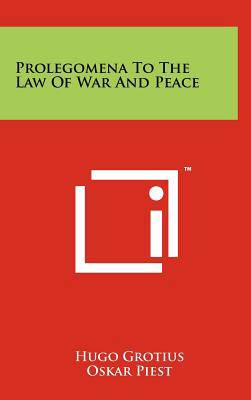
Prolegomena To The Law Of War And Peace is a philosophical and legal treatise written by the Dutch scholar Hugo Grotius in 1625. The book is considered one of the most important works on international law and is often referred to as the ""foundational text"" of modern international law. In the book, Grotius argues that there are certain universal laws that govern the conduct of nations and individuals during times of war and peace. He examines the nature of war, the right to self-defense, and the principles of just war theory. He also explores the concept of sovereignty, the role of treaties and international agreements, and the importance of diplomacy in resolving conflicts between nations. Throughout the book, Grotius draws on a range of sources, including classical philosophy, biblical teachings, and the writings of contemporary scholars. He presents his arguments in a clear and concise manner, using logical reasoning and historical examples to support his claims. Prolegomena To The Law Of War And Peace has had a profound impact on the development of international law and has been widely studied and debated by legal scholars and policymakers. It remains a seminal work in the field of international relations and continues to influence the way we think about war, peace, and the role of law in regulating international affairs.Introduction By Edward Dumbauld. The Library Of Liberal Arts, No. 65.This scarce antiquarian book is a facsimile reprint of the old original and may contain some imperfections such as library marks and notations. Because we believe this work is culturally important, we have made it available as part of our commitment for protecting, preserving, and promoting the world's literature in affordable, high quality, modern editions, that are true to their original work.
Specificaties
Betrokkenen
- Auteur(s):
- Vertaler(s):
- Uitgeverij:
Inhoud
- Aantal bladzijden:
- 62
- Taal:
- Engels
Eigenschappen
- Productcode (EAN):
- 9781258094942
- Verschijningsdatum:
- 26/08/2011
- Uitvoering:
- Hardcover
- Formaat:
- Genaaid
- Afmetingen:
- 152 mm x 229 mm
- Gewicht:
- 263 g


Alleen bij Standaard Boekhandel
+ 94 punten op je klantenkaart van Standaard Boekhandel
CADEAU

AANGERADEN


Beoordelingen
We publiceren alleen reviews die voldoen aan de voorwaarden voor reviews. Bekijk onze voorwaarden voor reviews.