


- Afhalen na 1 uur in een winkel met voorraad
- Gratis thuislevering in België vanaf € 30
- Ruim aanbod met 7 miljoen producten
- Afhalen na 1 uur in een winkel met voorraad
- Gratis thuislevering in België vanaf € 30
- Ruim aanbod met 7 miljoen producten





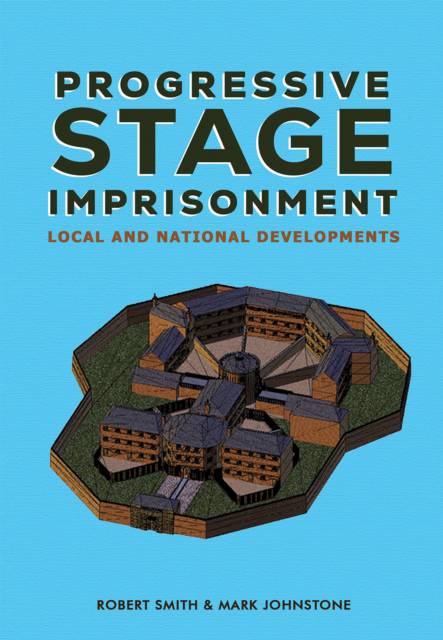
Progressive Stage Imprisonment
Local and National Developments
Robert Smith, Mark Johnstone
Paperback | Engels
€ 22,45
+ 44 punten
Omschrijving
Progressive stage imprisonment requires prisoners to advance through reformative phases, with the goal of ultimately returning inmates to society better equipped to avoid criminal behaviour and positively contribute to their communities. This system was likely first proposed in the 1779 Penitentiary Act and implemented in Gloucestershire. Since then, it has taken various forms in different contexts, including a hybrid model recommended for nationwide adoption in an 1811 parliamentary committee report, combining successful elements from the Gloucester Penitentiary and Nottinghamshire House of Correction systems. Thus far, while the system has achieved only partial success, failures appear attributable to problematic implementation rather than intrinsic faults. After nearly a century s dormancy, an evolved form of progressive imprisonment is proposed going forward. This book provides a comprehensive history of the system s iterations from local to global scales, analysing prospects and limitations. It charts the chequered past of progressive incarceration while laying the groundwork for its potential future success.
Specificaties
Betrokkenen
- Auteur(s):
- Uitgeverij:
Inhoud
- Aantal bladzijden:
- 246
- Taal:
- Engels
Eigenschappen
- Productcode (EAN):
- 9781398491625
- Verschijningsdatum:
- 12/09/2025
- Uitvoering:
- Paperback
- Formaat:
- Trade paperback (VS)
- Afmetingen:
- 210 mm x 297 mm
- Gewicht:
- 598 g



Alleen bij Standaard Boekhandel
+ 44 punten op je klantenkaart van Standaard Boekhandel
Cadeau

AANGERADEN


Beoordelingen
We publiceren alleen reviews die voldoen aan de voorwaarden voor reviews. Bekijk onze voorwaarden voor reviews.