


- Afhalen na 1 uur in een winkel met voorraad
- Gratis thuislevering in België vanaf € 30
- Ruim aanbod met 7 miljoen producten
- Afhalen na 1 uur in een winkel met voorraad
- Gratis thuislevering in België vanaf € 30
- Ruim aanbod met 7 miljoen producten





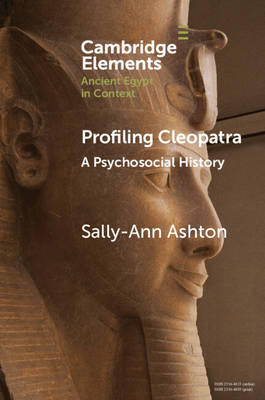
Omschrijving
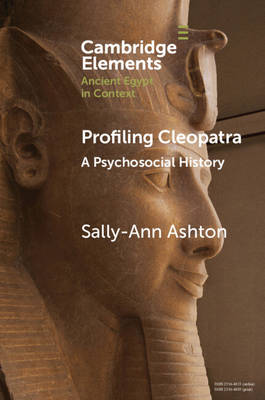
This Element adopts a psychosocial historical approach to explore the psychological functioning of Cleopatra VII, the last ruler of the Ptolemaic royal house. It investigates key themes that emerge from the data, including childhood trauma and displacement, sibling homicide, her relationships with Julius Caesar and Mark Antony, her divinity, and her suicide. To examine these issues, the author uses a cultural psychological framework, supplemented with social, investigative, and lifespan developmental psychological models, to analyze each theme in depth. The Element also includes a critical examination of how Cleopatra's psychological functioning is presented in Roman sources, alongside a comparison with her self-presentation in both Egypt and Rome. When Cleopatra's actions are viewed within an appropriate cultural context, characteristics that are now associated with psychiatric disorders can be repositioned as appropriate cultural and executive responses.
Specificaties
Betrokkenen
- Auteur(s):
- Uitgeverij:
Inhoud
- Aantal bladzijden:
- 86
- Taal:
- Engels
- Reeks:
Eigenschappen
- Productcode (EAN):
- 9781009487771
- Verschijningsdatum:
- 21/05/2026
- Uitvoering:
- Paperback
- Formaat:
- Trade paperback (VS)
- Afmetingen:
- 152 mm x 229 mm
- Gewicht:
- 127 g


Alleen bij Standaard Boekhandel
+ 72 punten op je klantenkaart van Standaard Boekhandel
Cadeau

AANGERADEN


Beoordelingen
We publiceren alleen reviews die voldoen aan de voorwaarden voor reviews. Bekijk onze voorwaarden voor reviews.