


- Afhalen na 1 uur in een winkel met voorraad
- Gratis thuislevering in België vanaf € 30
- Ruim aanbod met 7 miljoen producten
- Afhalen na 1 uur in een winkel met voorraad
- Gratis thuislevering in België vanaf € 30
- Ruim aanbod met 7 miljoen producten





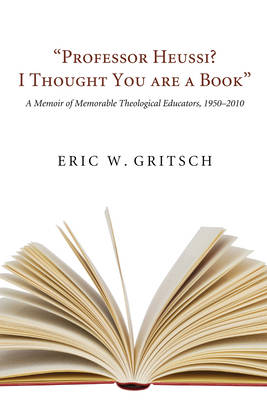
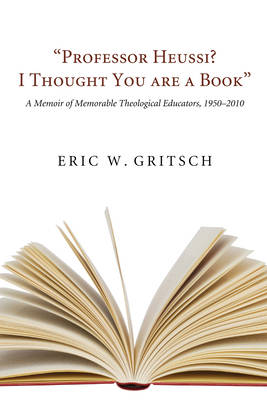
Professor Heussi? I Thought You Were a Book
A Memoir of Memorable Theological Educators, 1950-2009
Eric W Gritsch
Hardcover | Engels
€ 56,95
+ 113 punten
Omschrijving
Professor Heussi? I Thought You are a Book is an entertaining account of six decades of graduate education with the subtitle A Memoir of Memorable Theological Educators, 1950-2010. In personal encounters as well as in books, academic icons appear on the horizon of memory: Viktor Frankl in Vienna, Karl Barth in Basel, Carl Jung in Zurich, Reinhold Niebuhr in New York, Paul Tillich at Harvard, and the doctor father Roland Bainton at Yale. They are mixed with has-beens, upstarts, and other special professorial characters. In this memoir of Lutheran scholar, Eric Gritsch, these accounts are also fed with collegial encounters during his thirty-three years of teaching and research in church history at the Gettysburg Lutheran Seminary, with international excursions for Luther research and ecumenical dialogue with Roman Catholics. Ambition, stamina, and humor are ingredients that spike this cocktail of theological education of a native of Austria in the 1950s and 60s. Connoisseurs of anecdotal learning will find some satisfaction in this personal history of graduate studies in Europe and in the United States.
Specificaties
Betrokkenen
- Auteur(s):
- Uitgeverij:
Inhoud
- Aantal bladzijden:
- 160
- Taal:
- Engels
Eigenschappen
- Productcode (EAN):
- 9781498254151
- Verschijningsdatum:
- 27/07/2009
- Uitvoering:
- Hardcover
- Formaat:
- Genaaid
- Afmetingen:
- 127 mm x 203 mm
- Gewicht:
- 285 g


Alleen bij Standaard Boekhandel
+ 113 punten op je klantenkaart van Standaard Boekhandel
Cadeau

AANGERADEN


Beoordelingen
We publiceren alleen reviews die voldoen aan de voorwaarden voor reviews. Bekijk onze voorwaarden voor reviews.