


- Afhalen na 1 uur in een winkel met voorraad
- Gratis thuislevering in België vanaf € 30
- Ruim aanbod met 7 miljoen producten
- Afhalen na 1 uur in een winkel met voorraad
- Gratis thuislevering in België vanaf € 30
- Ruim aanbod met 7 miljoen producten





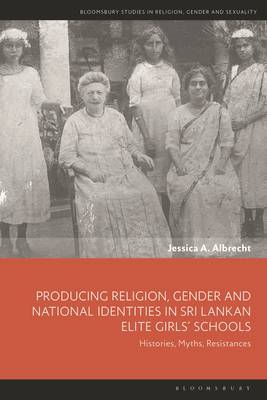
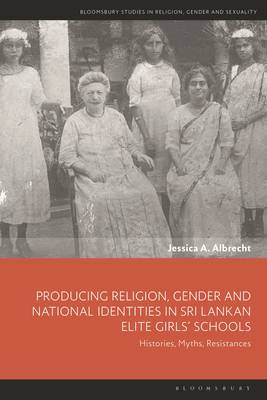
Producing Religion, Gender and National Identities in Sri Lankan Elite Girls' Schools
Histories, Myths, Resistances
Jessica A Albrecht
€ 195,45
+ 390 punten
Omschrijving
This book provides the first comparative analysis of how religious, gender and national identities have been constructed in Christian, Buddhist and Hindu girls' schools in Sri Lanka in the context of colonial histories and postcolonial struggles.
Attended by the children of the socio-political elite, the Sri Lanka's girls' schools in this study have a significant impact on the country's political, cultural and religious life as their graduates carry the values they were taught beyond these institutions' doors into society. Combining archival research with ethnographic fieldwork, Jessica Albrecht examines how narratives of the past - including the Aryan myth, the story of the Sinhala Buddhist role model Sister Sanghamitta and ideas of womanhood from the Saivite reform movement - continue to shape religious and national identities in these schools today. She integrates perspectives from religious, postcolonial and gender studies to show that these institutions play a dual role: while they empower women, they also reinforce patriarchal, nationalist and colonial ideologies. By contrasting Buddhist, Hindu and Christian schools, this book illuminates how ideas about gender, womanhood and the nation have differed across religiously diverse educational institutions from colonial times to today while sharing an entangled history. In this way, it contributes to our understanding of Sri Lanka's complex religious and educational landscape and draws attention to the often-overlooked role that women play in the making of religious and national identities in South Asia.Specificaties
Betrokkenen
- Auteur(s):
- Uitgeverij:
Inhoud
- Aantal bladzijden:
- 280
- Taal:
- Engels
- Reeks:
Eigenschappen
- Productcode (EAN):
- 9781350577343
- Verschijningsdatum:
- 05/03/2026
- Uitvoering:
- Hardcover
- Formaat:
- Genaaid
- Afmetingen:
- 156 mm x 234 mm
- Gewicht:
- 566 g


Alleen bij Standaard Boekhandel
+ 390 punten op je klantenkaart van Standaard Boekhandel
Cadeau

AANGERADEN


Beoordelingen
We publiceren alleen reviews die voldoen aan de voorwaarden voor reviews. Bekijk onze voorwaarden voor reviews.