


- Afhalen na 1 uur in een winkel met voorraad
- Gratis thuislevering in België vanaf € 30
- Ruim aanbod met 7 miljoen producten
- Afhalen na 1 uur in een winkel met voorraad
- Gratis thuislevering in België vanaf € 30
- Ruim aanbod met 7 miljoen producten





€ 139,95
+ 279 punten
Omschrijving
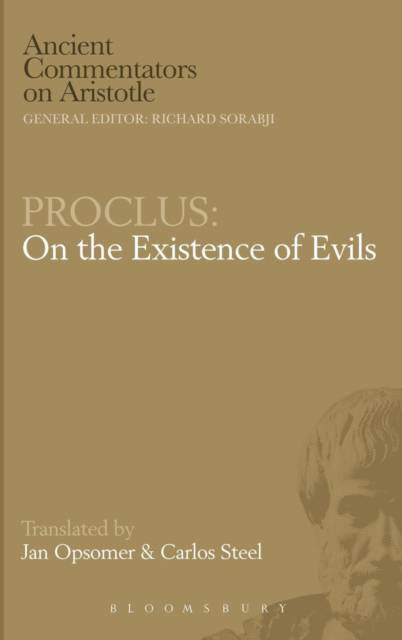
Proclus' On the Existence of Evils is not a commentary, but helps to compensate for the dearth of Neoplatonist ethical commentaries. The central question addressed in the work is: how can there be evil in a providential world? Neoplatonists agree that it cannot be caused by higher and worthier beings. Plotinus had said that evil is matter, which, unlike Aristotle, he collapsed into mere privation or lack, thus reducing its reality. He also protected higher causes from responsibility by saying that evil may result from a combination of goods. Proclus objects: evil is real, and not a privation. Rather, it is a parasite feeding off good. Parasites have no proper cause, and higher beings are thus vindicated as being the causes only of the good off which evil feeds.
Specificaties
Betrokkenen
- Auteur(s):
- Vertaler(s):
- Uitgeverij:
Inhoud
- Aantal bladzijden:
- 170
- Taal:
- Engels
- Reeks:
Eigenschappen
- Productcode (EAN):
- 9780715631980
- Verschijningsdatum:
- 24/04/2003
- Uitvoering:
- Hardcover
- Formaat:
- Genaaid
- Afmetingen:
- 156 mm x 234 mm
- Gewicht:
- 417 g


Alleen bij Standaard Boekhandel
+ 279 punten op je klantenkaart van Standaard Boekhandel
Cadeau

AANGERADEN


Beoordelingen
We publiceren alleen reviews die voldoen aan de voorwaarden voor reviews. Bekijk onze voorwaarden voor reviews.