


- Afhalen na 1 uur in een winkel met voorraad
- Gratis thuislevering in België vanaf € 30
- Ruim aanbod met 7 miljoen producten
- Afhalen na 1 uur in een winkel met voorraad
- Gratis thuislevering in België vanaf € 30
- Ruim aanbod met 7 miljoen producten





Omschrijving
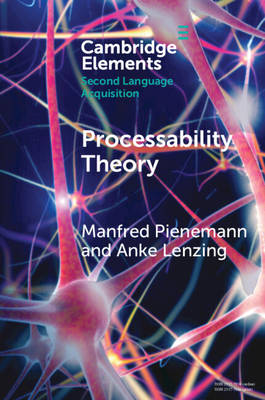
Processability Theory (PT) is a psycholinguistic theory of second language acquisition. The theory builds on the fundamental assumption that learners can acquire only those linguistic forms and functions which they can process. Therefore, PT is based on the architecture of the human language processor. PT is implemented in a theory of grammar that is compatible with the basic design of the language processor. This Element gives a concise introduction to the psycholinguistic core of PT - showing that PT offers an explanation of language development and variation based on processing constraints that are specified for typologically different languages and that apply to first and second language acquisition, albeit in different ways. Processing constraints also delineate transfer from the first language and the effect of formal intervention. This Element also covers the main branches of research in the PT framework and provides an introduction to the methodology used in PT-based research.
Specificaties
Betrokkenen
- Auteur(s):
- Uitgeverij:
Inhoud
- Aantal bladzijden:
- 106
- Taal:
- Engels
- Reeks:
Eigenschappen
- Productcode (EAN):
- 9781009375948
- Verschijningsdatum:
- 10/04/2025
- Uitvoering:
- Paperback
- Formaat:
- Trade paperback (VS)
- Afmetingen:
- 152 mm x 229 mm
- Gewicht:
- 154 g


Alleen bij Standaard Boekhandel
+ 48 punten op je klantenkaart van Standaard Boekhandel
Cadeau

AANGERADEN


Beoordelingen
We publiceren alleen reviews die voldoen aan de voorwaarden voor reviews. Bekijk onze voorwaarden voor reviews.