


- Afhalen na 1 uur in een winkel met voorraad
- Gratis thuislevering in België vanaf € 30
- Ruim aanbod met 7 miljoen producten
- Afhalen na 1 uur in een winkel met voorraad
- Gratis thuislevering in België vanaf € 30
- Ruim aanbod met 7 miljoen producten





€ 120,00
+ 240 punten
Omschrijving
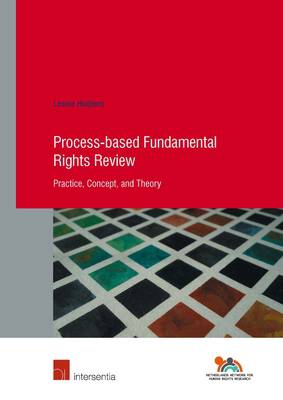
Courts regularly rely on process-based fundamental rights review. This means that they examine the diligence, fairness, and quality of legislative, administrative, and judicial procedures to determine whether fundamental rights have been violated. However, despite the frequent application of such review in practice, important questions about the meaning and value of procedural reasoning arise. Do courts provide sufficient protection of substantive rights when taking a procedural approach? Can they safeguard values of deliberative democracy and the rule of law through procedural reasoning? And can they rely on process-based review to avoid morally sensitive issues and cases concerning hard policy choices? This book engages with such questions with the aim of uncovering the potential and limitations of procedural reasoning in fundamental rights cases. To this end, it first discusses a number of concrete examples of application of this review by various courts. It then develops a context-independent definition of process-based fundamental rights review, which acknowledges the various uses of this type of review. On this basis, the book finally discusses the wide-ranging theoretical debates concerning procedural reasoning and identifies underlying explanations for the different views on the topic. The resulting in-depth and nuanced understanding of process-based fundamental rights review will support courts in developing well-balanced procedural approaches, and will assist scholars in studying procedural reasoning more systematically.
Specificaties
Betrokkenen
- Auteur(s):
- Uitgeverij:
Inhoud
- Aantal bladzijden:
- 466
- Taal:
- Engels
- Reeks:
- Reeksnummer:
- nr. 88
Eigenschappen
- Productcode (EAN):
- 9781780688879
- Verschijningsdatum:
- 8/11/2019
- Uitvoering:
- Paperback
- Formaat:
- Trade paperback (VS)
- Afmetingen:
- 170 mm x 240 mm
- Gewicht:
- 762 g


Alleen bij Standaard Boekhandel
+ 240 punten op je klantenkaart van Standaard Boekhandel
Cadeau

AANGERADEN


Beoordelingen
We publiceren alleen reviews die voldoen aan de voorwaarden voor reviews. Bekijk onze voorwaarden voor reviews.