


- Afhalen na 1 uur in een winkel met voorraad
- Gratis thuislevering in België vanaf € 30
- Ruim aanbod met 7 miljoen producten
- Afhalen na 1 uur in een winkel met voorraad
- Gratis thuislevering in België vanaf € 30
- Ruim aanbod met 7 miljoen producten





€ 84,95
+ 169 punten
Uitvoering
Omschrijving
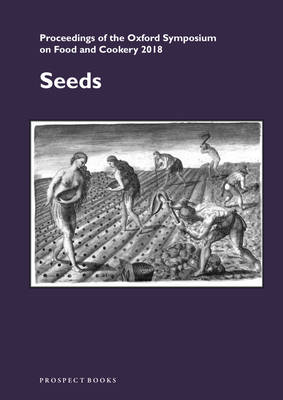
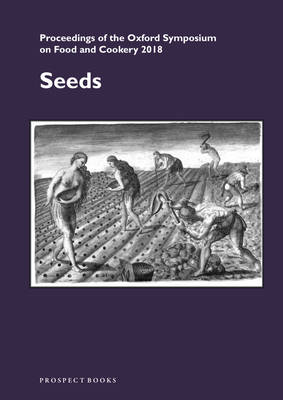
The sights could not be more different. In one, curved greenhouse-like buildings rise gently from the wild-flowered English countryside; in the other, an angular metallic shape juts starkly out of a snowbound Norwegian mountainside. And yet both - the Millennium Seed Bank at Royal Botanic Gardens, Kew, and the Svalbard Global Seed Bank - serve at once as witness to the widespread destruction of the Anthropocene and as ark-like hope for surviving those same collective acts of self-harm.' Mark McWilliams, Foreword The papers in this collection explore topics ranging widely from what was once seen as the promise of irradiated seeds to the many threats to indigenous species, from the way individual grains shape communal identity to the role of seeds in religious symbolism. Crops are grown for different reasons, and not always to nurture the community that cultivates them. Economic boom and bust cycles can influence the choice of crops, and as one region becomes the main source for a species of plant, perhaps a cash crop like coffee, at the same time the climate in another region changes, and the harvest falters. The topics ranged from prehistoric to high-tech ways of planting seeds. And yet the papers often share an unexpected similarity: though many explore the specific context of seeds in the past and others lament that loss in the present, both approaches share a sense of the way landraces - individual species carefully adapted to specific geographies and climates - capture a sense of place.
Specificaties
Betrokkenen
- Auteur(s):
- Uitgeverij:
Inhoud
- Aantal bladzijden:
- 400
- Taal:
- Engels
Eigenschappen
- Productcode (EAN):
- 9781909248656
- Verschijningsdatum:
- 1/07/2019
- Uitvoering:
- Paperback
- Formaat:
- Trade paperback (VS)
- Afmetingen:
- 173 mm x 244 mm
- Gewicht:
- 680 g


Alleen bij Standaard Boekhandel
+ 169 punten op je klantenkaart van Standaard Boekhandel
CADEAU

AANGERADEN


Beoordelingen
We publiceren alleen reviews die voldoen aan de voorwaarden voor reviews. Bekijk onze voorwaarden voor reviews.