


- Afhalen na 1 uur in een winkel met voorraad
- Gratis thuislevering in België vanaf € 30
- Ruim aanbod met 7 miljoen producten
- Afhalen na 1 uur in een winkel met voorraad
- Gratis thuislevering in België vanaf € 30
- Ruim aanbod met 7 miljoen producten





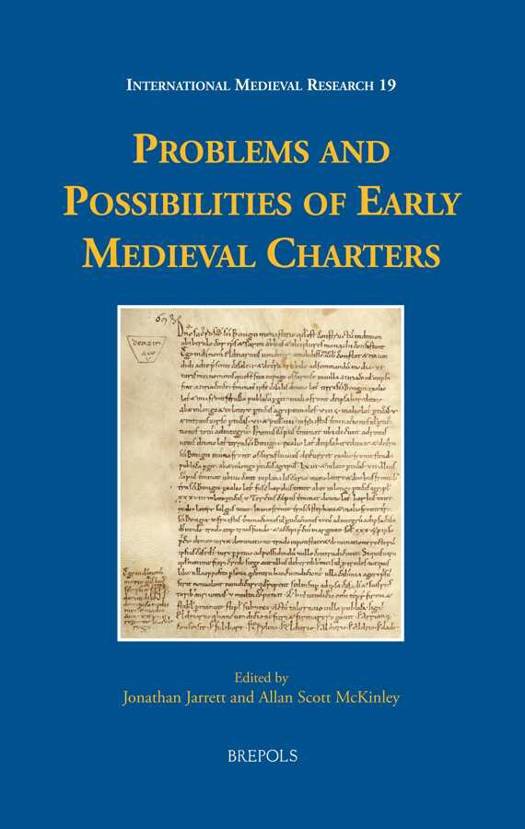
Problems and Possibilities of Early Medieval Charters
Jonathan Jarrett
€ 100,70
+ 201 punten
Omschrijving
Although historical work on the early Middle Ages relies to an enormous extent on the evidence provided by charters and other such documents, the paradigms within which such documents are interpreted have changed relatively slowly and unevenly. The critical turn, the increasing availability of digital tools and corpora for study, and the acceptance among charter specialists that their discipline can inform a wider field all encourage rethinking. From 2006 to 2011, a series of sessions at the Leeds International Medieval Congress addressed this by applying new critiques and technologies to early medieval diplomatic material from all over Europe. This volume collects some of the best of these papers by new and young scholars and adds related work from another session. The subjects range from reinterpretations of Carolingian or Anglo-Saxon political history, through the production and use of charters by all ranks of society and their subsequent preservation from Spain to Germany and England to Italy, to explorations of new media leading to new kinds of results from such evidence. The result is an array of new perspectives which makes an important contribution to recent reconsiderations of charter studies. It will inform a wide audience from all walks of medieval historical studies.
Specificaties
Betrokkenen
- Auteur(s):
- Uitgeverij:
Inhoud
- Aantal bladzijden:
- 311
- Taal:
- Engels
- Reeks:
- Reeksnummer:
- nr. 19
Eigenschappen
- Productcode (EAN):
- 9782503548302
- Verschijningsdatum:
- 23/10/2013
- Uitvoering:
- Hardcover
- Formaat:
- Genaaid
- Afmetingen:
- 168 mm x 239 mm
- Gewicht:
- 657 g



Alleen bij Standaard Boekhandel
+ 201 punten op je klantenkaart van Standaard Boekhandel
Cadeau

AANGERADEN


Beoordelingen
We publiceren alleen reviews die voldoen aan de voorwaarden voor reviews. Bekijk onze voorwaarden voor reviews.