


- Afhalen na 1 uur in een winkel met voorraad
- Gratis thuislevering in België vanaf € 30
- Ruim aanbod met 7 miljoen producten
- Afhalen na 1 uur in een winkel met voorraad
- Gratis thuislevering in België vanaf € 30
- Ruim aanbod met 7 miljoen producten





€ 169,60
+ 339 punten
Omschrijving
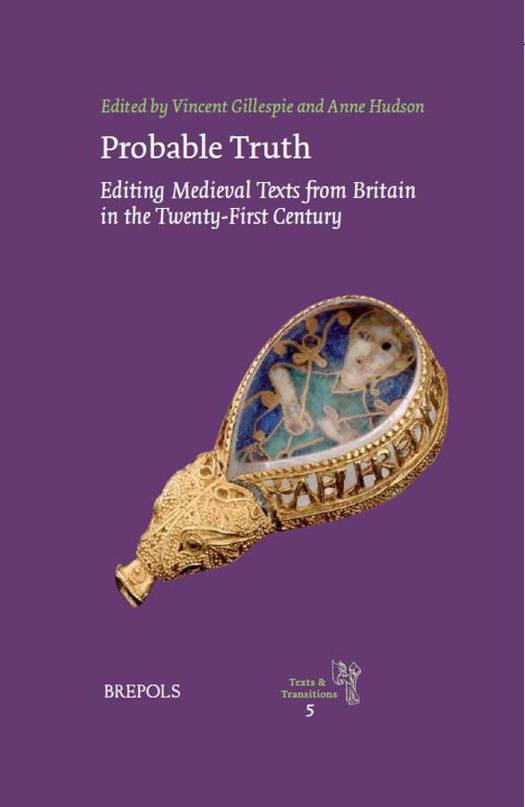
Editing as an academic mode of work has had a variable 'press' - it is often seen as just plumbing. But without editions no historian of whatever critical persuasion could operate. Texts that are not edited are effectively invisible. The advent of electronic means of text production has also raised new possibilities and new problems that need to be openly considered rather than ignored. The papers in this volume reflect those concerns, and explore the ways forward. How do the best editorial procedures of the past get transmitted to the future? A distinguished line-up of experienced editors and younger scholars actively grappling with these issues reflect on their engagement with the challenges of textual theory and editorial practice. No single solution emerges as applicable to all texts and for all editions; the individual characteristics of each text and its transmission, together with the intended audience of each edition, emerge as primary areas for consideration.
Specificaties
Betrokkenen
- Auteur(s):
- Uitgeverij:
Inhoud
- Aantal bladzijden:
- 563
- Taal:
- Engels
- Reeks:
- Reeksnummer:
- nr. 5
Eigenschappen
- Productcode (EAN):
- 9782503536835
- Verschijningsdatum:
- 23/10/2013
- Uitvoering:
- Hardcover
- Formaat:
- Genaaid
- Afmetingen:
- 163 mm x 239 mm
- Gewicht:
- 1065 g


Alleen bij Standaard Boekhandel
+ 339 punten op je klantenkaart van Standaard Boekhandel
Cadeau

AANGERADEN


Beoordelingen
We publiceren alleen reviews die voldoen aan de voorwaarden voor reviews. Bekijk onze voorwaarden voor reviews.